Dogs
Supplements for Dog Joint Health: What Actually Helps
Heads up: some links below are affiliate links. If you buy through them it costs you nothing extra and helps keep these guides free. We only link to things we would suggest to a friend. Read ourfull disclosure.

Joint supplements are everywhere - so is the marketing
Few pet-health products are advertised as relentlessly as joint supplements for dogs. Glucosamine, chondroitin, green-lipped mussel, turmeric and omega-3 products fill pet store shelves, and it’s easy to assume they’re a guaranteed fix for a stiff, older dog. The reality is more measured: the veterinary charity PDSA notes that joint supplements help some dogs, but not all - and that any decision about them should be made with your vet.
This guide looks at what joint supplements are, what they can and can’t do, and the day-to-day care that matters most for arthritic joints. We’re not a substitute for your vet - and if your dog is stiff or reluctant to move, the first step is always a veterinary check, not a shopping trip.
What joint supplements actually are
PDSA explains that joint supplements are available as tablets, capsules, a liquid, and in certain dog foods, and they are most often prescribed either for dogs with arthritis, or for dogs with a high chance of developing it. Common ingredients, PDSA lists, include glucosamine, chondroitin, green-lipped mussel, omega-3, hyaluronic acid and turmeric.
According to PDSA, these products are thought to work in three broad ways:
- A natural anti-inflammatory effect, to soothe stiff joints.
- Helping to keep joint fluid healthy, to ease movement.
- Feeding cartilage, to keep it strong and smooth.
That is a reasonable description of how they’re thought to work. It is not the same as saying every product in this category has consistently strong proof it works on every dog - which is precisely why PDSA’s advice to speak to a vet matters so much.
What the evidence supports - and what it doesn’t
Some things are well supported and cost nothing. Both PDSA and the RSPCA are clear that keeping your dog a healthy weight is central to healthy joints. The RSPCA notes that obesity makes problems like osteoarthritis worse and can shorten a dog’s lifespan. PDSA advises that a sensible way to protect joints is to keep your dog slim and give regular, sensible exercise. If your dog is overweight, your vet can help you build a diet and exercise plan.
Joint supplements sit alongside that, not instead of it. PDSA says joint supplements are safe to use alongside most other medications - including common arthritis medicines such as anti-inflammatories and pain relief - and that there are no major side effects associated with them over the long term. But “safe to use” is not the same as “proven to cure.” For a dog with true arthritis, weight control, appropriate exercise and vet-prescribed pain relief are the pillars of care; a supplement, where your vet thinks it may help, is an addition - never a replacement for a proper diagnosis and treatment.
When a supplement might be worth discussing
PDSA identifies several situations where a vet might discuss joint supplements with you:
- Arthritis - supplements are thought to slow the progression of arthritis and reduce joint pain.
- Older dogs - wear and tear through life makes joint problems common in older dogs.
- Past joint injuries or problems - an injury can increase the chance of a dog developing arthritis.
- Working dogs, which are at higher risk of arthritis due to how much they exercise.
In all cases the same gate applies: talk to your vet first. PDSA’s own guidance is to contact your vet for advice on whether your dog may benefit and, if so, which product would be most suitable. Different products contain very different ingredients and formulations, and your vet is best placed to judge what - if anything - fits your dog’s specific situation.
The bottom line
Dog joint supplements are safe when bought responsibly and used sensibly, and they may help some dogs. But the most important point is also the most boring one: there is no reliable substitute for a veterinary assessment, a healthy weight, and appropriate exercise. A supplement should never be chosen from an advert or a shelf on your own when your dog is showing signs of joint trouble.
If your dog seems stiff, limping, slow to get up, or reluctant to move, PDSA advises contacting your vet. Ask about pain relief, weight, exercise, and whether a joint supplement could be a useful addition - and trust that advice over the marketing.
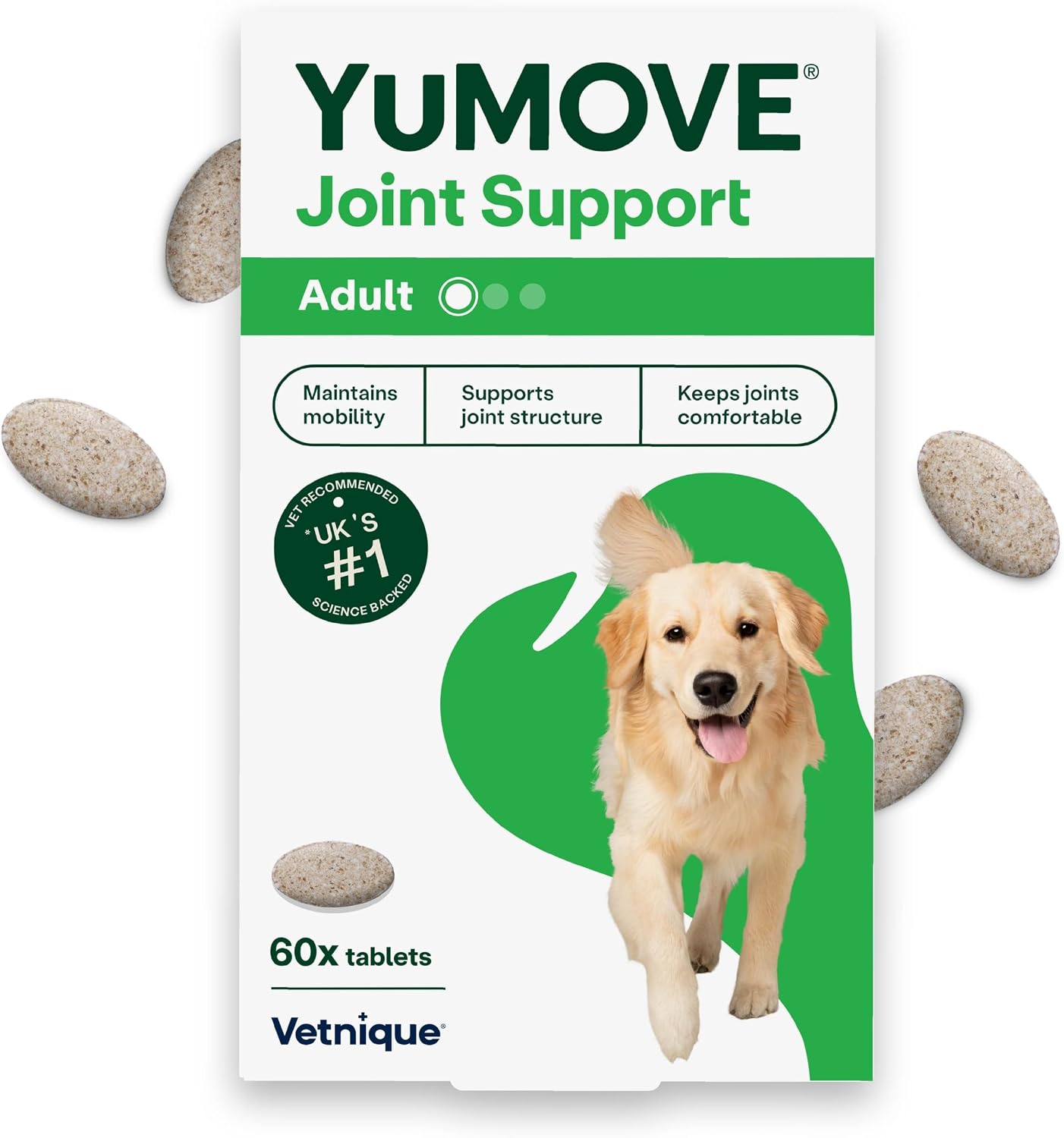
If your vet agrees a joint supplement is worth trying, here are our suggestions \u2014 there are plenty of other good options out there. If you buy through our links it helps us keep sharing this advice.

Sources
- PDSA - “Joint supplements for dogs”: https://www.pdsa.org.uk/pet-help-and-advice/pet-health-hub/medications/joint-supplements-for-dogs
- PDSA - “Arthritis in dogs”: https://www.pdsa.org.uk/pet-help-and-advice/pet-health-hub/conditions/arthritis-in-dogs
- RSPCA - “Caring for your senior dog”: https://www.rspca.org.uk/adviceandwelfare/pets/dogs/health/seniordogs
This article is for general information and is not a substitute for professional veterinary advice. Always discuss any supplement or treatment with your vet before giving it to your dog.