Cats
Cat Litter Tray Problems: Causes and How to Fix Them
Heads up: some links below are affiliate links. If you buy through them it costs you nothing extra and helps keep these guides free. We only link to things we would suggest to a friend. Read ourfull disclosure.
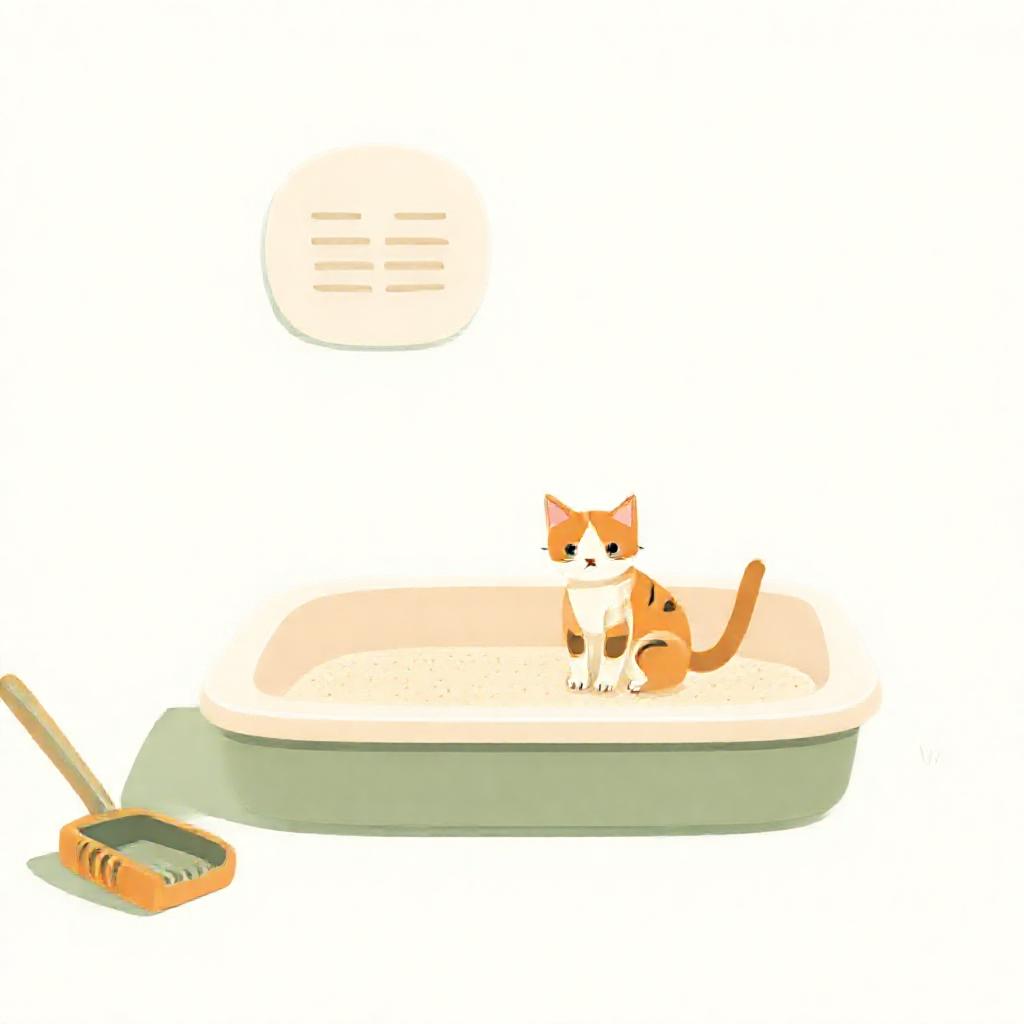
Finding your cat’s litter tray ignored in favour of the floor, the bath or the sink can be frustrating. But it’s rarely a cat being “naughty”. Cats are particular about their toileting habits, and when they go outside the tray, they are usually trying to tell you something. The good news is it’s often fixable - and the first thing to rule out is a medical problem.
Always rule out a medical cause first
This is the most important point. The People’s Dispensary for Sick Animals (PDSA) explains that using the tray less, or peeing in unusual places such as the bath, sink or hard cold floors, can be a sign of a problem with the urinary tract - from a straightforward infection to bladder stones or cystitis.
PDSA is clear that problems like these can range from minor to life-threatening, and advises contacting your vet as soon as possible if your cat is having problems peeing. So if your cat suddenly starts toileting outside the tray, or you notice any of these signs alongside it, book a vet check before you change anything else.
Common signs of a urinary problem include peeing in strange places, visiting the tray much more often than usual, passing only very small amounts, straining or crying while peeing, and blood-tinged urine.
Stress and cystitis (FIC)
Very often, a cat that stops using its tray is stressed. PDSA says Feline Idiopathic Cystitis (FIC) - inflammation of the bladder usually triggered by stress - is the most common type of cystitis in cats. Things like moving home, conflict with another cat, a new baby or pet, or tension between people in the house can all be triggers.
Alongside peeing outside the tray, a cat with FIC may visit the tray very frequently, meow or seem restless around it, and pee in the bath, sink or on cold hard floors. These are symptoms worth a vet visit, because FIC is easily confused with other conditions and needs a proper diagnosis. And if left untreated it can lead to serious complications.
Practical things to check at home
Once the vet has ruled out a medical problem, the RSPCA has some reassuring, hands-on advice for making the tray as appealing as possible:
- Privacy is everything. Cats prefer quiet places, so position the tray away from busy areas, and try not to disturb your cat while it’s toileting.
- Keep it clean. Poor hygiene is a common reason a cat looks elsewhere. The RSPCA suggests spot-cleaning every day and replacing the litter at least once a week - a dirty tray may make your cat prefer the floor.
- Watch the smell. Strong-scented cleaning products and scented litter can put cats off. Always use cleaning products that are safe for cats.
- Try a different litter. Cats can be fussy about texture. If your cat is avoiding the tray, try a change in litter - mixing the new one in gradually over a week, or offering it in a second tray, so the cat can choose.
- Get the size and number right. The tray should be big enough to let your cat turn around easily. For multiple cats, the RSPCA recommends one tray per cat, plus a spare - PDSA suggests the same: at least one tray per cat plus one extra, placed in different, safe spots around the home.
If your cat is fussy about smell or texture, our pick below is an unscented, plant-based clumping litter that’s gentle on sensitive noses and easy to clean
- handy whether you have one cat or several.

When it’s an emergency
Never ignore a cat that seems to be straining and trying to pee without producing anything. PDSA is emphatic: a cat that can’t pee is an emergency. If your cat is repeatedly visiting the tray, passing nothing, and seems in pain or distressed, contact your vet immediately - it can signal a blocked bladder, which is extremely painful and often fatal if not treated quickly. Never wait to see if it improves.
The bottom line
Toileting outside the tray is almost always a message rather than a misbehaviour. Rule out a medical cause with your vet first, then look at the practical basics - privacy, cleanliness, litter choice and how many trays you have. With a little patience you’ll almost always help your cat feel comfortable using the tray again.
Sources
- RSPCA - “How to Train a Cat to use a Litter Tray”: https://www.rspca.org.uk/adviceandwelfare/pets/cats/environment/litter
- PDSA - “Urine problems in cats”: https://www.pdsa.org.uk/pet-help-and-advice/pet-health-hub/symptoms/urine-problems-in-cats
- PDSA - “Feline Idiopathic Cystitis (FIC) - stress cystitis in cats”: https://www.pdsa.org.uk/pet-help-and-advice/pet-health-hub/conditions/stress-cystitis-feline-idiopathic-cystitis-in-cats
- PDSA - “What to do if your cat/dog can’t pee”: https://www.pdsa.org.uk/pet-help-and-advice/pet-health-hub/symptoms/what-to-do-if-your-catdog-can-t-pee
This article is for general information and is not a substitute for professional veterinary advice. If your pet is unwell, please contact your vet.