Fish
Your First Fish Tank: A Beginner's Setup Guide
Heads up: some links below are affiliate links. If you buy through them it costs you nothing extra and helps keep these guides free. We only link to things we would suggest to a friend. Read ourfull disclosure.
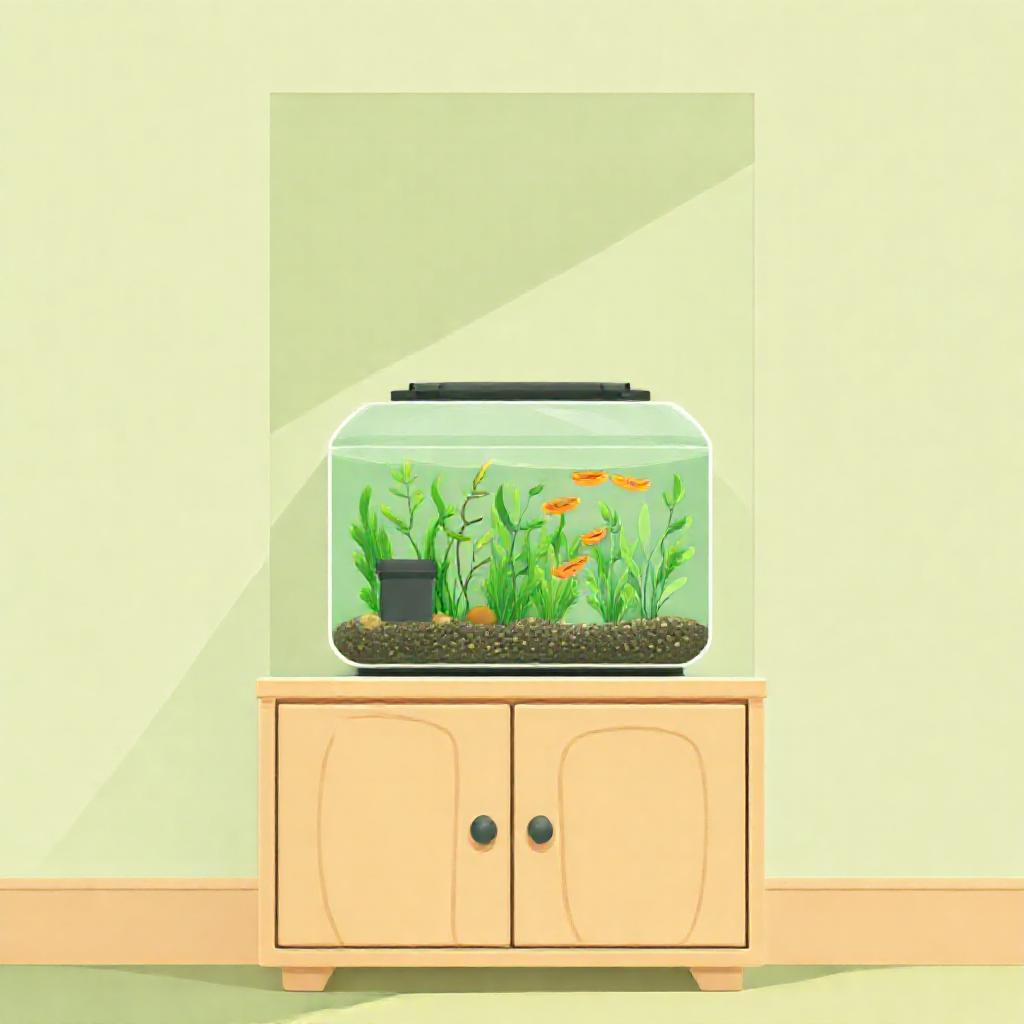
Start with the right tank
For pet fish, almost everything comes down to a clean, stable environment. The RSPCA says the most important thing is to create and maintain a clean, stable water environment - get that right and your fish are far more likely to stay healthy.
Bigger really is better. Larger volumes of water keep temperature and water conditions far more stable, so the RSPCA advises only getting a tank bigger than roughly 45 x 30 x 30cm (about 40 litres). Avoid decorative “fun” tanks like bowls and jars: they’re too small to hold a filter, have too little surface area for oxygen, and the temperature swings rapidly, which can stress or kill fish. A goldfish, for example, needs at least 60 litres of water each.
As a rule of thumb, a wide tank beats a tall one, because oxygen enters the water at the surface. Try to give tropical fish around 1.5-2 litres of water per 1cm of their length (excluding the tail); goldfish need much more room, about 2 litres per 0.5cm of fish. Remember to think about how big your fish will grow as adults, and put the tank on a sturdy surface away from sunlight, radiators and aerosols.
If you’d rather skip the guesswork and start with a complete, all-in-one setup, the Fluval Flex 57 is a premium 57-litre tank that comes with an integrated 3-stage filter and LED light built in - just add water, heater and fish. It’s above the RSPCA’s minimum size for stable water, which makes it a great first tank:

Cycle the tank before adding fish
A new tank needs time to build up the bacteria that keep water safe. The RSPCA strongly recommends “fishless cycling”: run the filter for a while before any fish go in. You can “seed” the tank with a starter product, or add filter media from a mature, disease-free tank.
During cycling, test the water every other day and only add fish after ammonia and nitrite have spiked and returned to zero. Cycling takes at least two weeks and often longer. A reputable shop will test your water to confirm it’s ready.
Fit a proper filter and keep the water clean
No fish should be kept without a well set-up, maintained filter. Filters remove waste, and the beneficial bacteria they house are what break it down: ammonia → nitrite → nitrate. Ammonia and nitrite are both toxic and should sit at 0 mg/L; even a good filter can’t remove everything, so change around 30% of the water weekly. Leaving the fish in, siphon out about ten percent at a time and rinse the filter sponge in the removed tank water - never under the tap, which kills the bacteria. Tap water contains chlorine (dangerous to fish and bacteria), so add a dechlorinating product - or leave fresh water standing 24 hours - and don’t fill with water a very different temperature from the tank or you’ll shock the fish.
Heat it to suit the species
Temperature depends entirely on your fish. Goldfish are happy in roughly 10-21°C, so they normally need no heater. Tropical fish need a tank heater set to the species’ range - for example, guppies tolerate 22-28°C, while loaches need 18-26°C. Research your species; the Ornamental Aquatic Trade Association (OATA) is a useful reference. Heaters must be thermostat controlled, and since they can fail, use a digital thermometer and check it every day.
Furnish it and add fish slowly
Give fish plants, decorations and hiding places so they can rest and explore. As a sensible precaution, choose décor without sharp edges, and pick things suited to your species (some plecos, for instance, graze on wood and vegetables). Keep lights on a steady 8-10 hours a day, off at night. Add fish gradually rather than all at once (recommended good practice), and follow the space-per-fish guidelines - overstocking pollutes the water and leaves too little oxygen. When you bring fish home, leave the transport bag in the tank water for half an hour to equalise temperature, net the fish across (don’t pour in the bag water), and keep the lights off for the rest of the day so they can settle in.
Feed little and often
Feed fish two or three small meals a day - only as much as they can eat within two to five minutes. Buy the right food for the species (don’t give goldfish tropical fish flakes), and supplement flakes with a little variety for balanced nutrition and enrichment. Above all, don’t overfeed: extra food rots in the water and is one of the fastest ways to wreck water quality.
Sources
- RSPCA - “Choosing an aquarium for pet fish” (ornamental fish environment): https://www.rspca.org.uk/adviceandwelfare/pets/fish/environment
- RSPCA - “What to feed your pet fish” (ornamental fish diet): https://www.rspca.org.uk/adviceandwelfare/pets/fish/diet
- RSPCA - “Pet fish health” (healthy vs unhealthy fish): https://www.rspca.org.uk/adviceandwelfare/pets/fish/health
- PDSA - “Birds, fish and other pets” guidance hub: https://www.pdsa.org.uk/pet-help-and-advice/looking-after-your-pet/birds-fish-and-other-pets
This article is for general information and is not a substitute for professional veterinary advice. If your pet is unwell, contact your vet.