Cats
Christmas Pet Hazards: Festive Dangers for Cats and Dogs
Heads up: some links below are affiliate links. If you buy through them it costs you nothing extra and helps keep these guides free. We only link to things we would suggest to a friend. Read ourfull disclosure.
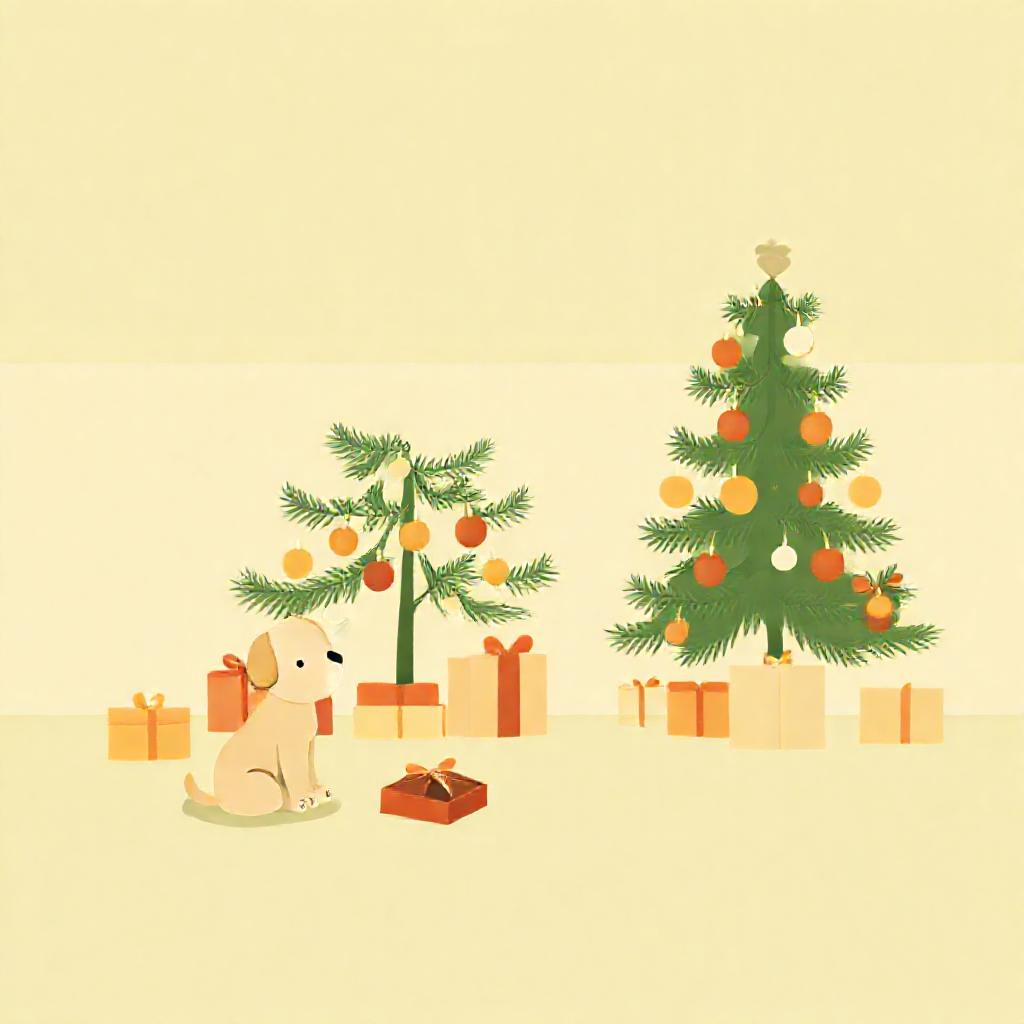
Christmas is one of the most enjoyable times of the year - and, for many pets, one of the most dangerous. There’s more food in the house than normal, the home is suddenly full of novel decorations, and busy days mean it’s easy to miss what our pets are getting up to. The RSPCA notes that cat and dog poisoning at Christmas is common, helped along by festive foods and plants that can be highly toxic to our pets.
The good news is that most Christmas dangers are easy to prevent once you know what to look for. This guide pulls together the advice of three UK animal charities - PDSA, the RSPCA and Blue Cross - on the festive hazards to watch out for, and what to do if your pet eats something they shouldn’t.
Toxic foods and drinks
Many favourite Christmas foods and drinks are poisonous to cats and dogs, so it pays to know which to keep out of paws’ reach.
- Chocolate. The RSPCA lists chocolate among unsafe festive foods, and PDSA warns that chocolate “contains theobromine, an ingredient which causes damage to the nervous system in cats and dogs and can be fatal.” Blue Cross adds that chocolate is toxic to dogs and even small amounts can cause serious illness. Keep chocolates, chocolate decorations and any baking ingredients well out of reach.
- Grapes, raisins, currants and sultanas. PDSA warns that “mincemeat, currants, raisins and sultanas” are poisonous to pets, including in Christmas pudding and mince pies. Blue Cross is clearer still - grapes and dried vine fruits “can cause severe kidney failure if eaten.” The RSPCA’s unsafe-foods list also includes dried fruit (sultanas, raisins), grapes, mince pies, Christmas pudding and Christmas cake.
- Onions, garlic, leeks and shallots. These all belong to the allium family and are poisonous whether cooked or uncooked, according to Blue Cross. PDSA explains that eaten in high enough amounts they can cause severe anaemia (low red blood cells) - and warns that gravy, stuffing and bread sauce can contain these ingredients. Blue Cross specifically reminds cat owners that onion gravy is toxic to cats.
- Xylitol. Xylitol (sometimes called birch sugar) is a very common sugar substitute, and PDSA warns it is highly toxic to dogs. The RSPCA says you should never give pets anything containing xylitol - such as sugar-free chewing gum, breath mints, baked goods, cough syrup, nut butters and sugar-free desserts - as “it’s extremely toxic.” Blue Cross points out that many sweets eaten over Christmas, such as candy canes, contain xylitol. According to the RSPCA, signs of xylitol poisoning include vomiting, lethargy and sleepiness, disorientation and unsteadiness, collapse, seizures and tremors, and loss of consciousness - and you should take your pet to a vet immediately if they’ve eaten it.
- Macadamia nuts. The RSPCA lists macadamia nuts as unsafe for pets. For dogs, Blue Cross explains they can cause lethargy, weakness in the back legs, increased body temperature, tremors and stiffness.
- Alcohol. PDSA notes that alcohol is toxic to pets. Blue Cross warns it “can be dangerous even in small quantities” for cats and to wipe up spillages quickly, and says alcohol has a similar effect in dogs as it does in their owners - so keep drinks and any foods containing alcohol out of reach.
- Bones. PDSA describes bones as a choking hazard that can lead to a gut blockage, and “can also cause rips and tears to your pet’s insides, which is extremely dangerous.” The RSPCA flags meat bones (especially cooked ones) as unsafe festive food. If you do share turkey, PDSA suggests sticking to plain, boneless lean white meat.
The Christmas tree and decorations
Decorations are festive for us, but they can be dangerous if pets chew, swallow or play with them. PDSA notes that glittering lights, nibble-worthy wires, dangling baubles and tall trees are very tempting, and swallowing small decorations can cause a serious stomach blockage.
- Tinsel. Although tinsel isn’t poisonous, PDSA warns it is a choking hazard that can cause serious injury or death if swallowed, because it can get stuck passing through the intestines and cause a deadly blockage needing emergency surgery. Blue Cross agrees that tinsel, if eaten, can block the stomach and intestines and “in some cases this can be fatal.” Leave it off the tree if you have a curious pet.
- Baubles and ornaments. Baubles are generally low in toxicity, but PDSA warns they can get stuck in the throat and cause an obstruction, and glass ornaments can shatter and injure a pet’s paws. PDSA advises using unbreakable plastic ornaments, and both PDSA and Blue Cross advise hanging decorations higher up the tree, out of reach of playful paws (or wagging tails). Avoid chocolate decorations entirely.
- Fairy lights. PDSA flags the risk of electric shocks from higher voltage lights, and both PDSA and Blue Cross warn that pets may be tempted to chew on lights and wires. Blue Cross advises switching lights off at the mains when you’re not supervising, considering battery-powered LED lights, and covering exposed wires with plastic or cardboard tubes.
- Christmas tree water, needles and sap. PDSA advises against adding chemicals, fertilisers or preservatives to a real tree’s water, as many are toxic to pets - and warns that even stagnant water can harbour harmful bacteria. Blue Cross adds that fertilisers or plant food on a potted tree can be toxic to cats if they leak into watering trays. Tree needles aren’t toxic, but PDSA says they can cause harm if swallowed or if a cat gets one stuck in its soft palate, and Blue Cross notes sharp needles can injure paws and eyes or cause a stomach upset if eaten. The oils from real trees can be toxic if swallowed - PDSA warns they can lead to illness and even liver damage. To be safe, secure your tree in a sturdy base, restrict access to the room if you can, and vacuum up fallen needles (PDSA, Blue Cross).
Festive plants and flowers
Several traditional Christmas plants are poisonous to pets, and one group - the lilies - can be fatal to cats.
- Lilies (especially dangerous to cats). PDSA describes lilies as extremely poisonous to cats, explaining that if a cat eats any part of a lily it is at risk of kidney failure and “sadly, left untreated, lily poisoning is usually fatal.” All parts are dangerous, including the leaves, flowers and even very small amounts of pollen - and a cat can be poisoned just by brushing past a lily so that pollen falls onto its coat and is licked off. Blue Cross echoes this, noting that lily pollen on a cat’s coat can cause a reaction, and that all parts of lilies can lead to kidney failure. PDSA advises avoiding lilies in the home entirely; Blue Cross recommends keeping them out of pets’ reach. Contact your vet immediately if your cat has been near them.
- Poinsettia. PDSA says poinsettias are toxic to pets, specifically cats and dogs, with the leaves and stems containing toxic substances that can cause symptoms such as vomiting, diarrhoea, drooling and mouth irritation. Blue Cross notes that, of the festive plants, poinsettia poisoning is usually mild.
- Holly and mistletoe. PDSA warns that holly’s sharp leaves can harm pets and its berries are toxic, containing substances like saponins and methylxanthines that can cause stomach issues. Mistletoe berries are also toxic, containing compounds such as viscotoxin. Blue Cross adds that for both holly and mistletoe, the berries are the most toxic part.
- Amaryllis and ivy. Amaryllis is poisonous to both cats and dogs - PDSA says it contains a toxin called lycorine - and Blue Cross notes its bulbs, stalks and flowers are all toxic. Ivy, commonly used in wreaths and garlands, is also listed by PDSA and the RSPCA as a plant that can make pets unwell.
If you do keep festive plants, PDSA suggests putting them up high and out of reach, or using good-quality faux plants instead.
Other hidden hazards
- Wrapping paper, ribbon and string. PDSA warns that sticky tape, bows, ribbons and string used on wrapped presents can cause a hazard if swallowed, and Blue Cross notes that wrapping paper and ribbon can cause a blockage in a dog’s tummy - and that even the string tied around meat can cause a stomach blockage in a cat.
- Batteries. PDSA advises care with presents that are battery operated, as these “can cause serious problems for our pets if chewed up and swallowed.”
- Candles. As general safety advice, unattended candles near a curious pet are best avoided - they can be knocked over or cause burns - so it’s worth keeping them where pets can’t reach them and never leaving them lit unsupervised. (General precaution, not from a cited source.)
What to do if your pet eats something harmful
Time matters. PDSA’s first-aid advice is clear: phone your vet ASAP if you think your pet may have eaten something poisonous, because “acting fast can make a big difference to your pet - it could even save their life.” Do not wait to see if symptoms develop - PDSA warns symptoms can take hours or even days to show up.
PDSA’s first-aid steps are:
- Remove the item or substance - tempt your pet to drop anything in their mouth using a treat or toy, and remove any residue from their fur.
- Check whether it’s poisonous - check a list of common poisons, contact an animal poisons line, or call your vet.
- Phone your vet straight away - they will tell you what to do and book an emergency appointment if needed.
The RSPCA echoes this: keep your pet away from the source of the poison, collect anything they’ve ingested (including any packaging) and take a sample to the vet. Do not try to make your pet vomit and do not give them salt water - PDSA makes the same point, saying don’t make your pet sick unless your vet tells you to, because it can cause more damage. Blue Cross advises contacting your vet immediately if you think your cat has been poisoned, and reminds owners that all vet practices must have an emergency service available over Christmas. Take any packaging, or a photo of what they ate, to help the vet narrow down the problem.
Preventing accidents
A little preparation goes a long way. The charities suggest:
- Keep dangerous items out of reach and restrict your pet’s access to rooms where the tree or hazardous décor is found (PDSA).
- Never leave pets unsupervised around the Christmas tree, whether real or artificial (Blue Cross).
- Secure your tree in a sturdy base or with weights, and anchor it if you can (Blue Cross, RSPCA).
- Provide alternatives - toys, puzzle feeders and a safe, quiet space can keep a curious cat or dog occupied away from the tree (PDSA, RSPCA).
- Stick as close as possible to your pet’s normal routine and diet, even on Christmas Day, as sudden changes can cause a stomach upset (PDSA).
- Watch your pet closely during the festivities - PDSA advises paying special attention to puppies and kittens experiencing their first Christmas.
Christmas should be a happy time for the whole family, pets included. Knowing which festive hazards to avoid, and what to do if the worst happens, helps keep your cat or dog safe - and means you can enjoy the season together.
Sources
- PDSA - “Dangerous Christmas decorations to be aware of if you’re a pet owner”: https://www.pdsa.org.uk/what-we-do/blog/dangerous-christmas-decorations-to-be-aware-of-if-you-re-a-pet-owner
- PDSA - “Five Christmas plants that are dangerous to pets”: https://www.pdsa.org.uk/what-we-do/blog/five-christmas-plants-that-are-dangerous-to-pets
- PDSA - “How to have a pet-friendly Christmas”: https://www.pdsa.org.uk/what-we-do/blog/how-to-have-a-pet-friendly-christmas
- PDSA - “Lily poisoning in cats”: https://www.pdsa.org.uk/pet-help-and-advice/pet-health-hub/conditions/lily-poisoning-in-cats
- PDSA - “First aid for poisons and toxins”: https://www.pdsa.org.uk/pet-help-and-advice/pet-health-hub/other-veterinary-advice/first-aid-for-poisons-and-toxins
- RSPCA - “Keeping your pets safe at Christmas”: https://www.rspca.org.uk/adviceandwelfare/seasonal/christmas
- Blue Cross - “Keeping your cat safe at Christmas”: https://www.bluecross.org.uk/advice/cat/health-and-injuries/keeping-your-cat-safe-at-christmas
- Blue Cross - “Christmas dangers for dogs”: https://www.bluecross.org.uk/advice/dog/christmas-dangers-for-dogs
- Blue Cross - “Plants poisonous to cats”: https://www.bluecross.org.uk/advice/cat/health-and-injuries/plants-poisonous-to-cats
This article is for general information and is not a substitute for professional veterinary advice. If your pet is unwell, contact your vet.