Dogs
Dog Food Allergy vs Food Intolerance: What's the Difference?
Heads up: some links below are affiliate links. If you buy through them it costs you nothing extra and helps keep these guides free. We only link to things we would suggest to a friend. Read ourfull disclosure.
“Allergy” is used loosely, but a true allergy is specific
The veterinary charity PDSA describes a food allergy like this: “a food allergy is when a dog’s immune system reacts inappropriately to one or more of the ingredients in their diet, causing skin and/or tummy issues.” It’s a genuine immune reaction to something in the food - not just “this food doesn’t agree with them.”
The word “intolerance” is often used by owners, but it’s a much looser term. PDSA’s dog food-allergy pages focus on true allergies; a separate PDSA page covers the short-lived gut upset that can follow a sudden change of food, which is not the same as an allergy. Because the two can look alike, only your vet can tell them apart for sure.
What a true food allergy looks like in dogs
PDSA explains that food allergies can develop at any stage in a dog’s life, even if they’ve eaten the same food without problems for years. The most common symptoms fall into two groups:
- Skin symptoms: itchy skin (including itchy ears), a rash or red, sore skin - especially on the feet, ears, face, chin, tummy and groin - and saliva staining (a pink or brown stain on areas of the coat).
- Tummy (gastrointestinal) symptoms: vomiting, diarrhoea, a sore tummy, and flatulence (excessive wind).
PDSA notes that dogs most commonly react to proteins such as beef, chicken or lamb, though some react to ingredients like wheat. Allergies can appear at any age but most commonly start when a dog is under a year old.
The sudden after-a-food-change upset usually is not an allergy
If your dog gets a runny tummy shortly after you switch their food, that’s not necessarily an allergy. On its page about diarrhoea after a change of food, PDSA says diarrhoea and excessive wind “tend to be the most common problems after a sudden change in food,” and that occasional tummy pain and vomiting can occur too, “but this tends to be short lived.” Diarrhoea caused purely by a food change usually settles within a few days.
PDSA’s advice is to keep your pet’s diet as consistent as possible from day to day, and if you do need to change food, do it slowly. This kind of mild, temporary gut upset is very different from the persistent skin-and-tummy signs of a true allergy.
Why only a vet can tell the difference
It can be hard to tell “sensitive tummy” from “allergy” at home, because the same stomach symptoms can come from many causes. PDSA warns that “there are many other conditions that can cause these symptoms as well as a food allergy.”
To diagnose a real allergy, a vet first wants to rule out other causes of itchy skin and/or tummy problems - for example, parasites such as fleas. If symptoms continue, they may suggest a food trial. PDSA describes this as feeding “a specially made food that your dog won’t be allergic to and absolutely nothing else for a set amount of time.” On its skin-allergy page, PDSA notes an elimination diet “usually needs to happen over a six-to-twelve-week period.” If symptoms improve on the trial food, your dog is probably allergic to something in their old diet; if symptoms stay the same, food is unlikely to be the only cause.
PDSA also flags that allergy tests are not perfect: blood and skin tests for other allergies exist, “but unfortunately, this type of testing isn’t 100% reliable.” So a careful, vet-supervised food trial is the key step.
What treatment looks like
PDSA explains that a food allergy can’t be cured - but by changing the diet, symptoms can be managed. If a food trial confirms the allergy, your vet may recommend keeping your dog on their new diet for life.
If your vet suggests a food trial or a limited-ingredient diet to help manage a suspected food allergy, here’s a premium hypoallergenic option to discuss with them - there are plenty of other good options out there. If you buy through our link it helps us keep sharing this advice.
A higher-protein, hydrolysed diet made for vet-supervised food trials. Only switch to a food like this on your vet's advice, and only after they've had a chance to rule out other causes.
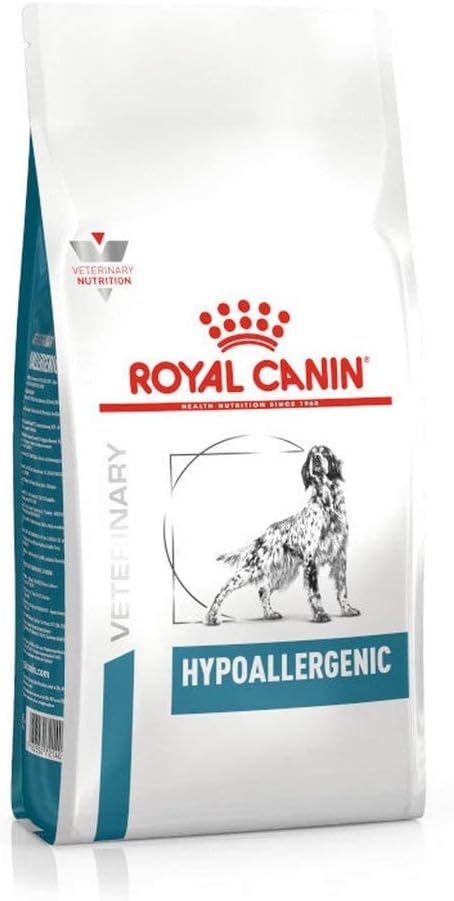
Important: A hypoallergenic diet like this is a therapeutic tool used under veterinary supervision - not a first-line fix. Don’t start a restrictive diet or food trial on your own. Confirm the plan with your vet first, and never keep your dog on an elimination diet long-term without their guidance.
When to call your vet
Contact your vet if your dog has persistent itchy skin, recurring tummy upsets, or any of the signs above. Because a food allergy shares symptoms with so many other conditions - including parasites and infections - an accurate diagnosis needs a vet. Never try to diagnose or treat a suspected food allergy on your own, and never put a dog on a restrictive diet long-term without veterinary guidance, as an unbalanced home-made or elimination diet can cause problems of its own.
Sources
- PDSA - “Food allergies in dogs”: https://www.pdsa.org.uk/pet-help-and-advice/pet-health-hub/conditions/food-allergies-in-dogs
- PDSA - “How to conduct a food trial: Dog”: https://www.pdsa.org.uk/pet-help-and-advice/pet-health-hub/other-veterinary-advice/how-to-conduct-a-food-trial-dog
- PDSA - “Skin allergies (atopic dermatitis) in dogs”: https://www.pdsa.org.uk/pet-help-and-advice/pet-health-hub/conditions/skin-allergies-atopic-dermatitis-in-dogs
- PDSA - “Diarrhoea after a change of food”: https://www.pdsa.org.uk/pet-help-and-advice/pet-health-hub/conditions/diarrhoea-after-a-change-of-food
- PDSA - “Itchy skin in dogs”: https://www.pdsa.org.uk/pet-help-and-advice/pet-health-hub/symptoms/itchy-skin-in-dogs
This article is for general information and is not a substitute for professional veterinary advice. If your pet is unwell, please contact your vet.