Fish
Your Fish Tank Health: Water Quality & Spotting Unwell Fish
Heads up: some links below are affiliate links. If you buy through them it costs you nothing extra and helps keep these guides free. We only link to things we would suggest to a friend. Read ourfull disclosure.
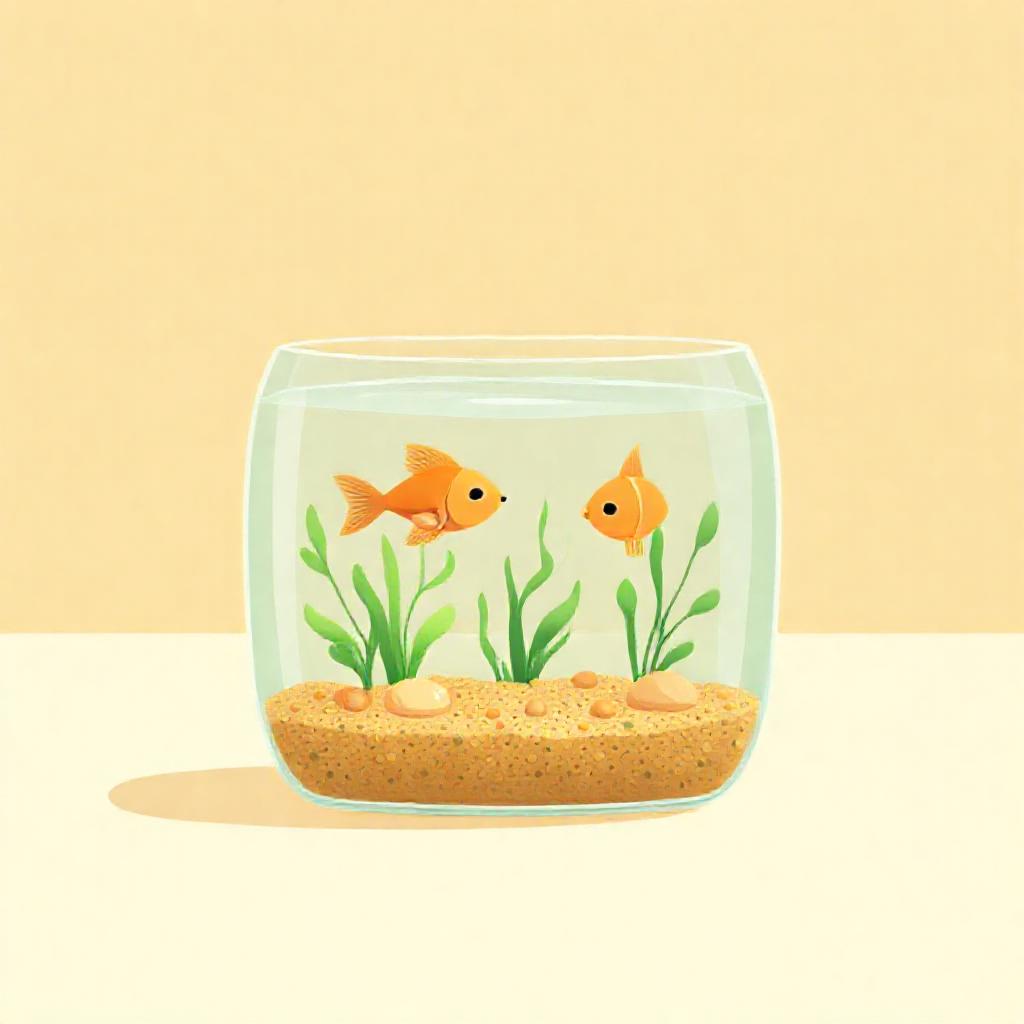
Good water is most of the job
For pet fish, water quality is practically the whole picture. The RSPCA is blunt: most fish disease is caused by poor water quality, so if your fish seem unwell, check the water first. Fish are far more sensitive to dirty water than to a missed meal.
How a healthy tank stays balanced
A working aquarium runs on a closed water cycle. Filters are vital: they remove waste and keep the tank clean, and the beneficial bacteria in the filter break waste down naturally - ammonia → nitrite → nitrate. Ammonia and nitrite are both toxic to fish; nitrate is safer, but high levels can still cause problems.
Because even a good filter can’t break down every waste product, it needs regular help:
- Change about 30% of the water weekly.
- To do a routine water change, leave the fish in the tank and use a siphon to remove around ten percent of the water.
- Rinse the filter sponge in water you’ve removed from the tank - never wash it under the tap, since tap water is dangerous to both fish and the bacteria.
Ammonia and nitrite are the two levels that matter most when testing: both should sit at 0 mg/L - the RSPCA calls testing for these “essential, not optional extras.” If waste levels come back higher, it suggests changing half the water every day until conditions improve. As a routine, a water-quality check around once a fortnight is sensible.
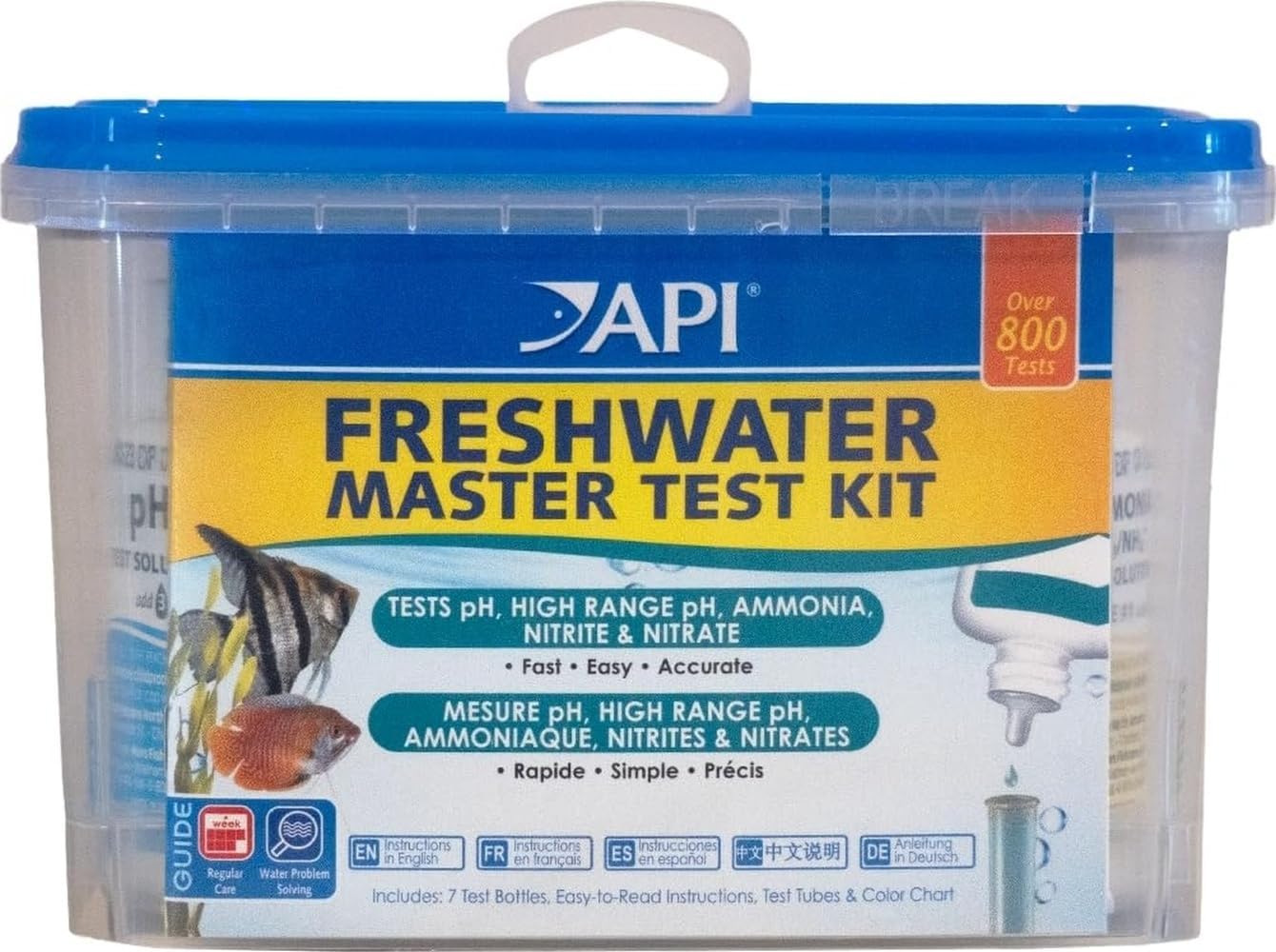
Keeping a reliable water-test kit to hand is the single easiest way to check the two levels that matter most - ammonia and nitrite - before problems appear. Rinsing filter media in tank water and avoiding tap-rinsing are part of the same routine of keeping the water safe for your fish.
Other things that shape water quality
- Oxygen enters the water from the surface, so a wide tank is better than a tall one - more surface area. Overstocking leaves too little oxygen.
- Tap water contains chlorine, which is why it must not go straight in the tank.
- Temperature must suit your species - goldfish, for example, are happy in roughly 10-21°C, so they normally need no heater.
- Lighting - a day/night cycle of about 8-10 hours on, switched off at night, suits most species.
- New tanks shouldn’t be filled with fish straight away - run the filter first so the bacteria establish, until ammonia and nitrite hit zero.
Signs your fish may be unwell
The RSPCA publishes a “well vs unwell” checklist. Healthy fish have a good appetite, breathe steadily, have bright eyes and smooth unscarred fins held away from the body, and swim freely. Signs something is wrong include:
- Sunken or swollen bellies (apart from females carrying eggs)
- Scales sticking out (as in dropsy), or pale patches on the scales
- Tiny white spots on the fins, gills or skin - the classic sign of white spot disease
- A milky eye
- Swimming unusually - sinking to the bottom or tilting to one side
- Gasping at the surface repeatedly - often oxygen starvation or poor water quality (though labyrinth species, like gouramis, normally breathe air at the surface)
- Leaving the rest of the shoal, or a sudden change in activity
Fin rot (wasting between the fins) and white tufts on the body are other named conditions. Because most stem from water quality, the RSPCA advises fixing the water first and contacting a specialist fish vet to diagnose or treat disease. (One caveat: some catfish swim upside down normally, which is a quirk rather than a problem.)
Feeding without fouling the water
Overfeeding is one of the quickest ways to wreck water quality. The RSPCA suggests feeding only as much as the fish can eat within two to five minutes, in two or three small meals a day rather than one large one. Better to underfeed than overfeed - fish handle a missed meal far better than dirty water. Block-style “holiday feeding” blocks are best avoided, since most of the food they release can rot in the water.
A daily habit that pays off
You don’t need advanced equipment. Spend a minute each day watching your fish: Are they eating, alert and swimming normally? Are the fins intact and scales smooth? If you spot a change, or a water test shows ammonia or nitrite above zero, act early, fix the water and involve a specialist vet when unsure. This article is general advice, not a diagnosis - for a persistent problem, a specialist fish vet (or your usual practice) is the right person to talk to.
Sources
- RSPCA - “Pet fish health - signs of healthy and unhealthy fish”: https://www.rspca.org.uk/adviceandwelfare/pets/fish/health
- RSPCA - “Ornamental fish environment - aquariums, filters, water quality and water changes”: https://www.rspca.org.uk/adviceandwelfare/pets/fish/environment
- RSPCA - “Ornamental fish diet - what and how much to feed”: https://www.rspca.org.uk/adviceandwelfare/pets/fish/diet
- PDSA - “Birds, fish and other pets” guidance hub: https://www.pdsa.org.uk/pet-help-and-advice/looking-after-your-pet/birds-fish-and-other-pets
This article is for general information and is not a substitute for professional veterinary advice. If your pet is unwell, contact your vet.