Small mammals
Guinea Pig Health: What New Owners Should Know
Heads up: some links below are affiliate links. If you buy through them it costs you nothing extra and helps keep these guides free. We only link to things we would suggest to a friend. Read ourfull disclosure.
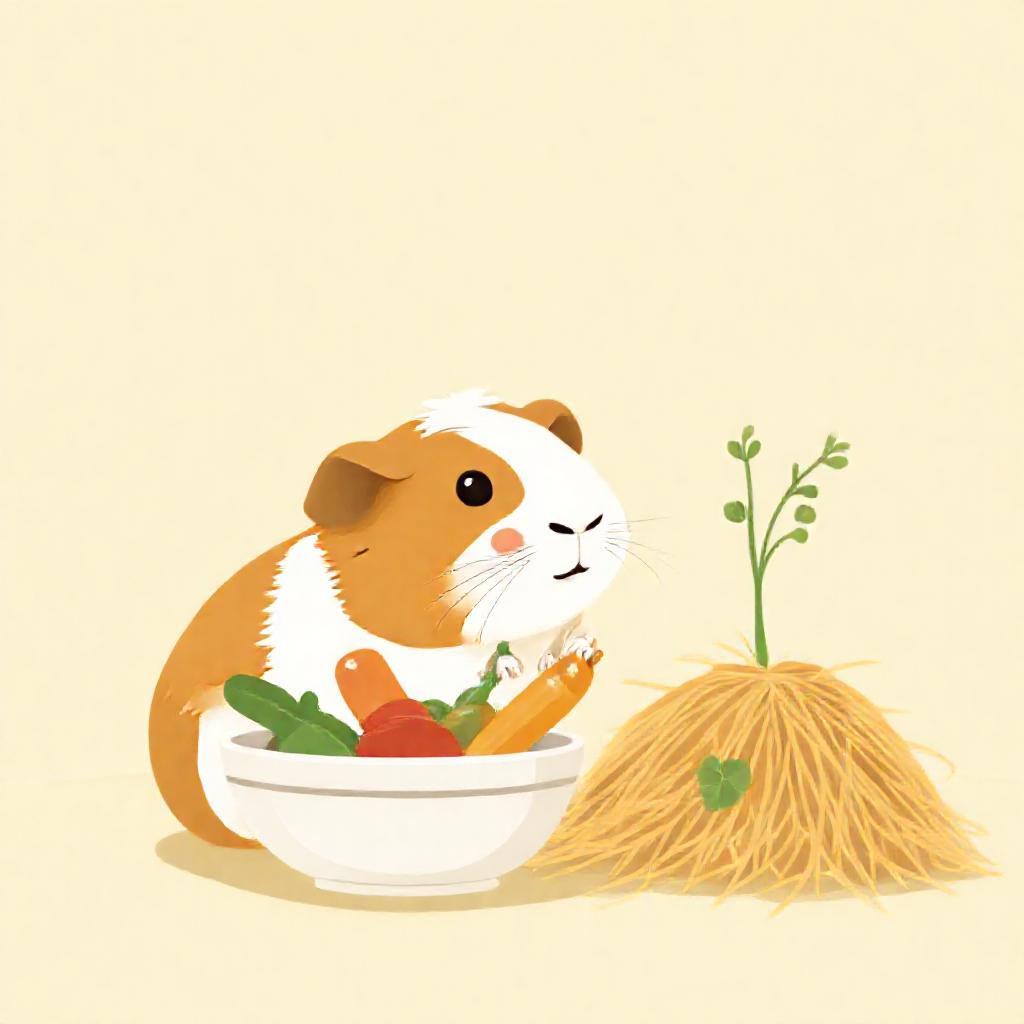
Guinea pigs are rewarding pets, but they need more care than many new owners expect. The good news is that a lot of common guinea pig health problems can be prevented with the right routine. This guide covers the basics - daily checks, teeth, diet and the signs that call for a vet.
Do a daily health check
The best way to know your guinea pig is healthy is to give it a quick daily check, following a simple routine:
- Face and eyes - eyes should be bright and open, with no weepy eyes or runny nose, and the mouth should be clean with no teeth poking out. Gently lift the ear flaps to check the ears too.
- Coat - a healthy coat is clean, with no bald patches, tangles or lumps in the skin.
- Back end - should be clean and dry, with no poo stuck around the bottom.
- Feet - nails shouldn’t be so long they curl under, and the feet shouldn’t have sores or wounds. Your guinea pig should move without stiffness.
Long-haired guinea pigs need a daily brush; a short-haired one enjoys a brush once or twice a week. Watch your guinea pig each day and learn what’s normal for it, so you’re quicker to spot a change.
Watch for changes more than for “symptoms”
Guinea pigs are prey animals, so they often hide signs of illness - that makes even small changes in behaviour worth noticing. See your vet if you notice eating less, big or fast weight change, fast or noisy breathing, diarrhoea, drinking or peeing more, low energy, hair loss or a rash, limping, wounds, bleeding, or a runny eye or nose.
Difficulty breathing is an emergency - contact your vet straight away.
Teeth need wearing down
Guinea pig teeth keep growing throughout their lives. If they’re not worn down, they can grow too long and cut the gums, cheek and tongue, or cause abscesses. Help keep teeth healthy with:
- A constant supply of good-quality feeding hay.
- A correct diet.
- Safe wood to gnaw on, such as gnawing blocks, toys or tunnels.
- Avoiding sugary treats like “honey sticks”.
If a tooth looks overgrown or your guinea pig stops eating, contact your vet as soon as possible.
Diet basics for good health
Guinea pigs are herbivores that need a very high-fibre diet, and they need vitamin C from their food because they can’t produce it themselves - a lack of it can lead to scurvy. The best diet, per PDSA, is:
- Unlimited hay and grass - this should make up roughly 85-90% of the diet, keeps the gut moving and wears the teeth down. Avoid mown grass clippings, which can ferment quickly and make guinea pigs unwell.
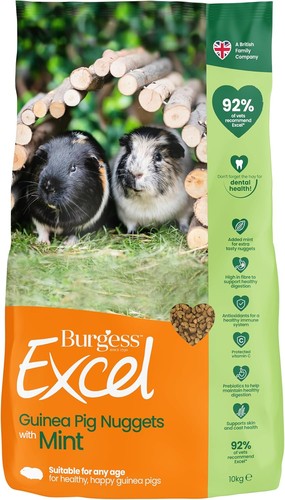
- A small daily amount of guinea pig pellets - about one tablespoon per adult guinea pig, grass-based and made for guinea pigs. The vitamin C in pellets breaks down over time, especially with heat or sunlight, so store them in a dry, cool, dark place and use them within three months of purchase.
- Fresh vegetables and greens - about one cup per guinea pig each day, including at least a couple that are high in vitamin C. Introduce new foods slowly to avoid tummy upsets.
- Constant fresh water.
Common problems to be aware of
Vets commonly see a handful of issues in guinea pigs. Knowing them doesn’t replace a vet visit, but it helps you act early:
- Overgrown nails - nails never stop growing and can curl into the paw pads if left too long. If you’re not confident trimming, ask your vet or vet nurse.
- Upper respiratory infections - these can be serious, don’t clear up on their own, and need a vet promptly. Keeping the enclosure clean with dust-free bedding helps.
- Bladder stones - linked to too much calcium over time, so keep calcium-rich veg like kale and spinach to small amounts and avoid alfalfa hay for adult guinea pigs.
- Skin problems - mites, ringworm and fleas can cause hair loss, flaky or sore skin and scratching.
When to see a vet
Because guinea pigs hide illness, a regular vet check is worthwhile - many vets offer an annual check. Take your guinea pigs to the vets together even if only one seems unwell, as they often get stressed when separated. This article is general guidance, not a diagnosis: if you’re worried about any change or symptom, contact your vet.
Sources
- PDSA - “Guinea pig health”: https://www.pdsa.org.uk/pet-help-and-advice/looking-after-your-pet/small-pets/guinea-pig-health
- PDSA - “Your guinea pig’s diet”: https://www.pdsa.org.uk/pet-help-and-advice/looking-after-your-pet/small-pets/your-guinea-pig-s-diet
- PDSA - “Five common health problems in guinea pigs and how to prevent them”: https://www.pdsa.org.uk/what-we-do/blog/five-common-health-problems-in-guinea-pigs-and-how-to-prevent-them
This article is for general information and is not a substitute for professional veterinary advice. If your pet is unwell, contact your vet.