Small mammals
Hamster Care: Housing, Diet & Health Basics
Heads up: some links below are affiliate links. If you buy through them it costs you nothing extra and helps keep these guides free. We only link to things we would suggest to a friend. Read ourfull disclosure.
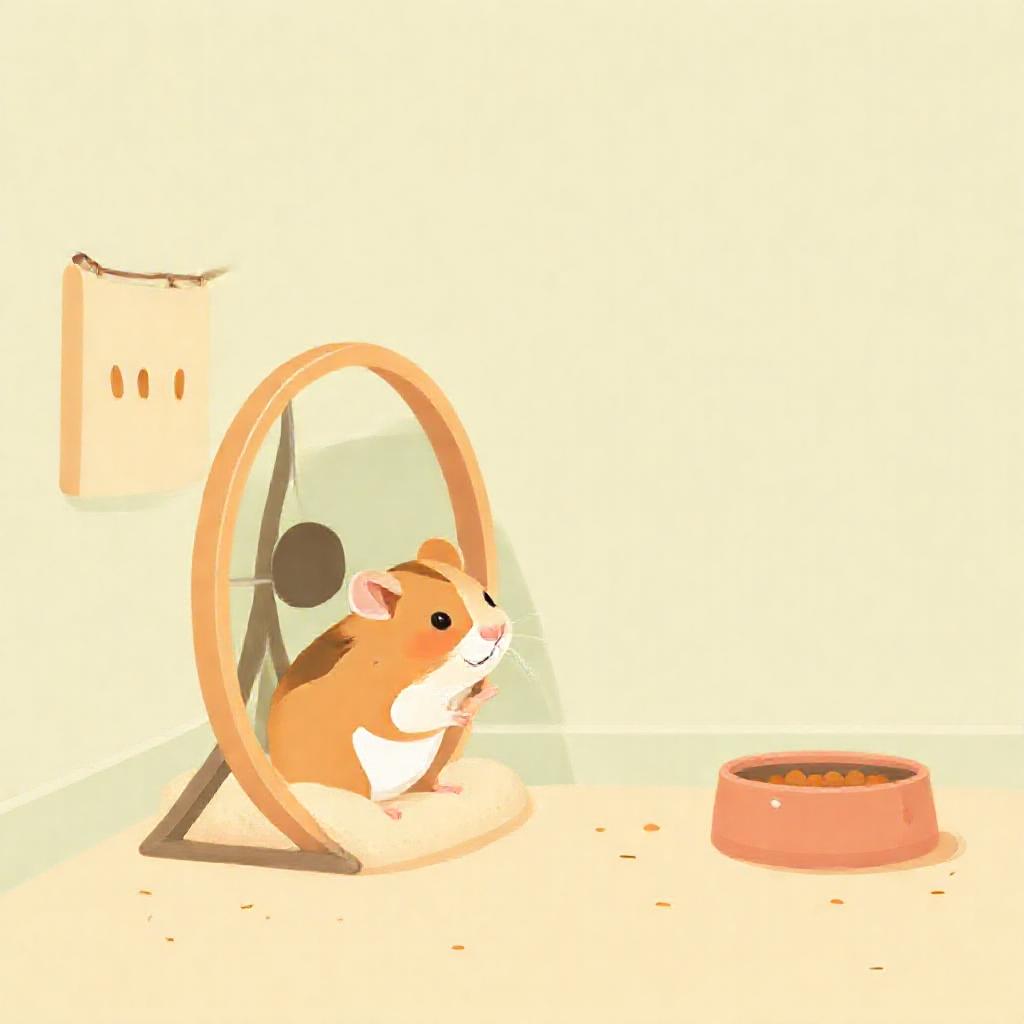
Hamsters make fun first pets, but they need more space and care than many new owners expect. Most species are solitary, most active at night, and surprisingly easy to injure if handled roughly. This guide covers the basics - housing, bedding, diet, handling and the health signs worth a vet visit.
Right for you? A few facts first
- Lifespan is short - most hamsters live for around two to three years, though larger species like Syrians tend to live a little longer.
- They’re nocturnal - hamsters sleep during the day and are most active in the evening and at night, so they may be waking up just as you’re going to bed.
- They like to live alone. Most species are naturally solitary and will fight if kept together. Don’t mix species or sexes, and keep hamsters separately to avoid stress and injury.
Housing: give them real space
In the wild hamsters dig deep burrows and travel long distances, so most cages sold in shops aren’t big enough. As a general minimum, aim for a floor space of at least 100 cm x 50 cm - bigger is always better. Single-level, larger enclosures are safer than tall multilevel ones, because hamsters have poor eyesight and can easily fall.
A glass tank or aquarium is a good choice: it allows deep bedding and stops escapes through bars. Whatever you use, make sure it has a secure, well-ventilated lid with gaps of less than about 1 cm, a solid floor (not wire mesh), and a peaceful spot away from noise, draughts, radiators and direct sunlight.
If you’d prefer a large, purpose-built indoor enclosure that already meets that 100 cm x 50 cm minimum footprint, this is the kind of cage we mean:

Keep your hamster indoors - in the UK it’s too cold outside, and a hamster that gets too cold can slip into a dangerous dormant state called torpor.
Bedding and nesting
Hamsters need deep bedding so they can burrow. Provide at least 20-25 cm of bedding for tunnelling and nesting (PDSA recommends no less than 25 cm). Good options include paper-based bedding, hemp, aspen shavings, and soft, unscented toilet paper. Mixing types helps burrows hold their shape.
Avoid wood shavings and sawdust (dusty and bad for the lungs), ‘fluffy’ bedding such as cotton wool or hamster wool (can wrap around legs and block the gut if eaten), scented bedding, and shredded newspaper. Give them an enclosed nest box or multi-chamber hide padded with bedding, plus cardboard tubes and boxes to burrow in and chew.
Feeding and water
Hamsters are omnivores. The basis of their diet should be a good-quality commercial hamster mix or pellets. Add tiny fresh portions - as small as your hamster’s ear - of vegetables, and the occasional mealworm, bit of boiled egg, or lean cooked meat. Syrian hamsters can have small pieces of fruit as an occasional treat.
Keep sugary, honey-coated or ‘seed stick’ treats minimal, and don’t give grapes or rhubarb, which can be poisonous to rodents. Because hamsters hoard food, scatter their food around the cage rather than using a bowl - it encourages natural foraging and prevents boredom.
Fresh water must always be available, ideally in a water bottle. Check the water daily and change it regularly.
Handling
Handle your hamster gently and only when it’s fully awake - a startled, sleepy hamster may bite. Scoop it up in both cupped hands, hold it close to your body, and sit on the ground so it can’t be injured if it jumps. Children should be supervised, and hamsters are usually better gently stroked in their cage than held.
Common health signs to watch for
Hamsters hide signs of illness and can lose condition quickly, so check them regularly and note any change in behaviour or appetite. Things to take to a vet promptly include:
- Diarrhoea - sometimes called ‘wet tail’, often linked to stress or a sudden diet change.
- Loss of appetite, weight loss, or changes in eating and drinking.
- Overgrown teeth - hamster teeth never stop growing, so check the front teeth and make sure there’s plenty to gnaw on.
- Lumps, wounds, or sores - including abscesses.
- Fur loss, scratching, or a dirty rear end.
- Changes in urinating, or an impacted cheek pouch.
Only give medicines recommended for hamsters by your vet - human and other animal medicines are dangerous to them. Find a vet willing to see small mammals before you need one.
Sources
- PDSA - “Hamsters as pets”: https://www.pdsa.org.uk/pet-help-and-advice/looking-after-your-pet/small-pets/hamsters-as-pets
- RSPCA - “Creating a good home for hamsters”: https://www.rspca.org.uk/adviceandwelfare/pets/rodents/hamsters/environment
- RSPCA - “What to feed a pet hamster”: https://www.rspca.org.uk/adviceandwelfare/pets/rodents/hamsters/diet
- Blue Cross - “Hamster care advice”: https://www.bluecross.org.uk/advice/hamster/hamster-care
This article is for general information and is not a substitute for professional veterinary advice. If your pet is unwell, contact your vet.