Reptiles
Leopard Gecko Care: Housing, Heating & Handling
Heads up: some links below are affiliate links. If you buy through them it costs you nothing extra and helps keep these guides free. We only link to things we would suggest to a friend. Read ourfull disclosure.
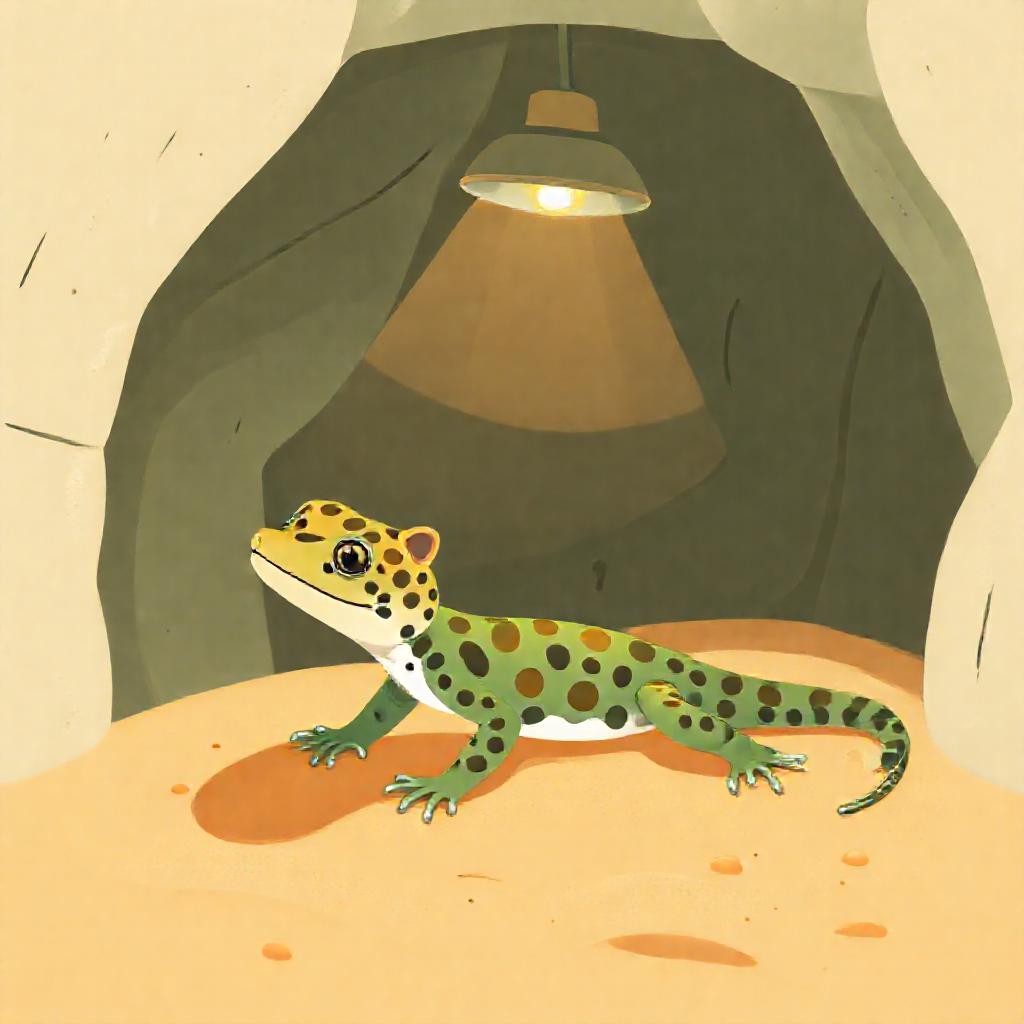
Leopard geckos are popular pets, but they are far from low-effort. Like all reptiles, they rely entirely on their environment for warmth, and a poorly set up vivarium is the most common cause of problems in captive geckos. This guide follows the RSPCA’s care guidance, which is a reliable, welfare-focused reference for setting up and keeping a leopard gecko.
Set the enclosure up first
The RSPCA recommends setting up the vivarium and running it for a minimum of a week before you introduce your leopard gecko. This gives you time to adjust heating and lighting before the animal arrives.
As a starting point for a single adult gecko, the RSPCA advises a vivarium of at least 60cm long, 40cm high and 30cm deep, though it should be as large as possible. It must be secure against escape, well ventilated, made from a solid material that is easy to clean, and positioned away from radiators or direct sunlight.
Heating: make a temperature gradient
Reptiles are ectothermic - they use their environment to warm up and cool down. The RSPCA explains that you need to create a thermogradient by positioning the heat source at one end of the vivarium, leaving the other end cool so the gecko can choose the level of heat it needs.
- A 60-100 watt basking or ceramic lamp, fitted with a guard, creates the warm end. Leopard geckos feel warmth through their bellies, so natural slate or rock in the basking zone helps absorb daytime heat.
- A thermostat must be used with all heat sources. For a heat lamp, adjust the dimming thermostat so the basking zone reaches 28-30°C, with the cool end at 24-26°C.
- Check temperatures daily with digital thermometers at each end - thermostats are not always accurate.
The RSPCA also advises turning off heat at night to simulate night-time, but if the room drops below 18°C, you’ll need supplementary heat, such as a heat mat connected to a thermostat.
Hides and humidity
Provide plenty of hiding places and several hides at each end of the vivarium so the gecko can choose its temperature without compromising its feeling of security. A separate humid hide - one with a waterproof bottom containing damp moss, sprayed every few days - helps with shedding.
Leopard geckos need a relatively dry environment. The RSPCA recommends keeping humidity around 30-40 percent, measured with a hygrometer at the cool end.
Substrate choices
Substrate gives the gecko something to grip. The RSPCA notes that for a healthy adult in a well set-up enclosure, a soil/sand mix of roughly 50 percent organic soil and 50 percent sand can be used - using clean play sand or reptile sand, never sharp builder’s sand.
It specifically warns not to use calcisand, beech chips, or other non-natural loose substrates, because they can cause impaction - a potentially fatal blockage. Clay substrates, flat stone or slate, or removable reptile carpet are safer alternatives. Young geckos should be housed on non-loose substrates while they are very young.
Feeding: live insects and calcium
Leopard geckos are insectivores. The RSPCA recommends a varied diet of live invertebrates, such as crickets, calciworms and locusts, no bigger than the size of the gecko’s head. Feed waxworms sparingly as they are high in fat.
- Juveniles should be fed daily and adults every other day.
- Livefood feeders should be kept well and gut-loaded 24-48 hours before feeding, so nutrients pass to the gecko.
- The captive environment doesn’t supply all the vitamins and minerals found in the wild, so the RSPCA says to lightly dust livefood with a vitamin and calcium supplement immediately before offering it, following brand instructions, and to provide a small bowl of plain calcium powder at all times.
- Remove any uneaten bugs from the vivarium, as they can bite the gecko.
- Provide a shallow dish of clean, fresh water in the cool end, cleaned and replaced at least daily.
These are our suggestions - there are plenty of other good options out there. If you buy through our links, it helps us keep providing this advice.

Gentle handling
Leopard geckos can become used to handling, which helps when checking their health. The RSPCA stresses that you should never grab the gecko - scoop it gently with both hands so all four feet are supported, and never apply pressure to the tail, as geckos can drop it. If it backs away or tries to bite, leave it alone and try again another time.
The RSPCA also advises not handling unnecessarily for the first week after bringing the gecko home, and keeping handling sessions short - around 10-15 minutes - so the gecko’s core temperature doesn’t drop.
Signs of a healthy gecko - and when to see a vet
A healthy leopard gecko has clear, bright eyes, an active demeanour, and its belly should not touch the floor except when resting. A well-fed gecko has a thick tail. Droppings should be dry, made up of dark faecal waste and white urates.
Watch for signs of trouble, including poor shedding (stuck skin around the toes or eyes can lead to toe loss), and be alert to the risk of impaction, which is often a sign of underlying problems such as incorrect temperatures, dehydration or vitamin deficiencies. The RSPCA recommends regular check-ups with a reptile vet. If you’re unsure about feeding, shedding or behaviour, get an exotic-specialist vet involved sooner rather than later.
Sources
- RSPCA - “How to care for a leopard gecko” (verified HTTP 200): https://www.rspca.org.uk/adviceandwelfare/pets/other/leopardgecko
- RSPCA - “Caring for Reptiles and other Exotic Pets” (verified HTTP 200): https://www.rspca.org.uk/adviceandwelfare/pets/other
This article is for general information and is not a substitute for professional veterinary advice. If your pet is unwell, contact your vet.