Dogs
Separation Anxiety in Dogs: Signs & What Helps
Heads up: some links below are affiliate links. If you buy through them it costs you nothing extra and helps keep these guides free. We only link to things we would suggest to a friend. Read ourfull disclosure.
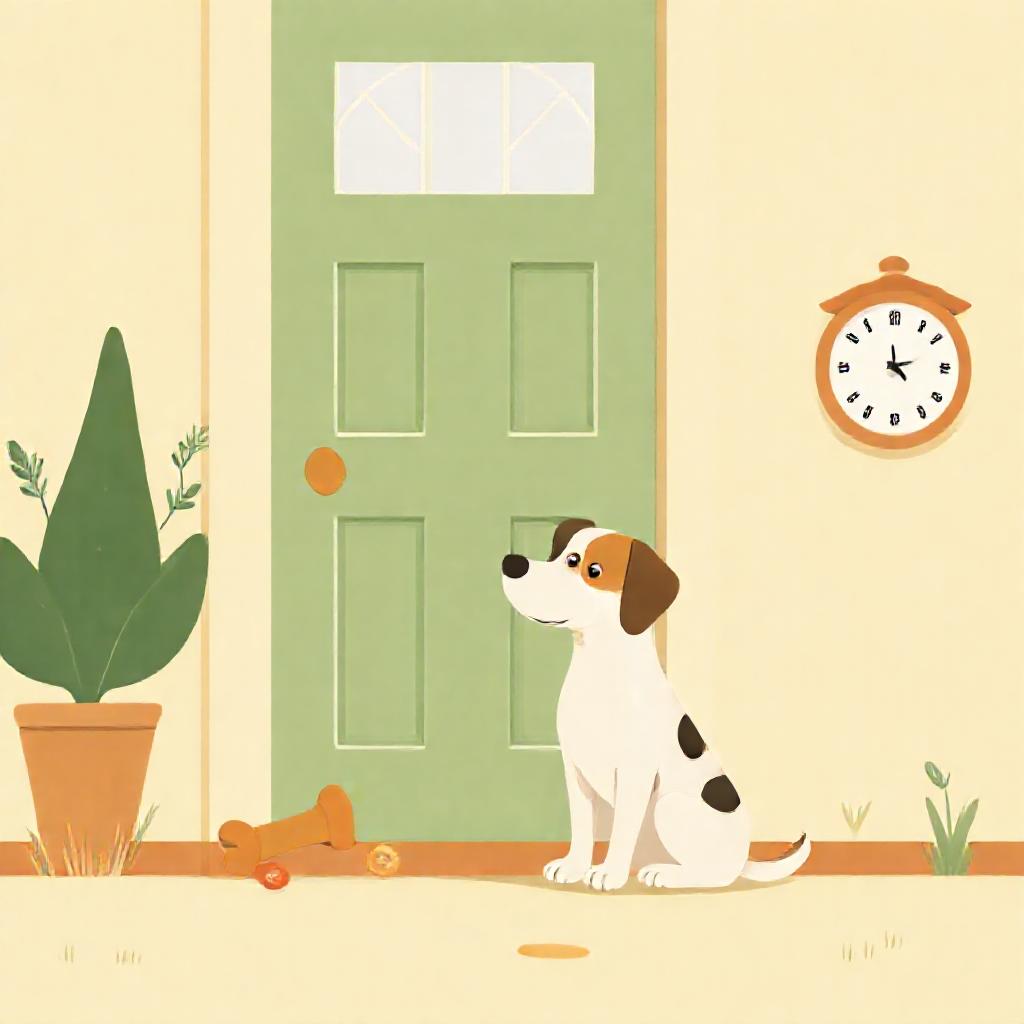
Separation anxiety is common - and it’s not your fault
It’s upsetting to come home to damage, or to know your dog has been distressed while you were out. The veterinary charity PDSA describes dog separation issues - also known as separation anxiety - as “extremely common in dogs.” The RSPCA uses the term separation-related behaviour; both charities agree it’s a genuine stress response, not “bad behaviour.”
The good news is that most dogs can be helped. Progress takes patience and consistency, and it isn’t guaranteed. But a calm, structured approach - and help from a vet or qualified behaviourist when needed - makes a real difference.
First, it’s important to rule out a health cause. Some medical conditions and pain can make a dog more anxious or change how they behave, so a check-up is a sensible first step.
What separation-related behaviour looks like
When a dog is genuinely distressed by being left alone, you may notice signs that appear before you leave or while you are away, including:
- Signs of anxiety before you leave - for example, becoming unsettled as soon as you prepare to go out.
- Excessive barking, howling or whining while you’re away.
- Destruction - chewing furniture or items near exits, doors or windows.
- Soiling the house, even in a house-trained dog.
- Over-excitement on your return.
Other, less common signs are easier to miss and include pacing or behaving restlessly.
Not every dog shows every sign, and not all destructive or vocal behaviour is separation-related. Some signs (like house-soiling) can also point to a health problem - another reason a vet check matters first.
Why it happens
Separation-related behaviour can have several triggers. PDSA lists causes that include a dog being overly attached (over-dependent) on one person, a past negative or frightening experience, and a lack of security - which can be linked to rehoming. Not every dog develops it for an obvious reason.
Understanding that your dog isn’t being “naughty” - they’re genuinely distressed - is the kindest way to approach it, and it should change how you respond.
What NOT to do
- Never punish your dog for soiling, chewing or barking. It won’t understand, and it will only add to the anxiety. RSPCA is clear that punishment is not an appropriate way to deal with fear-based behaviour.
- Don’t promise a quick fix. There’s no reliable “one trick” that cures the behaviour, and any plan needs time to work.
- Don’t leave a distressed dog for long periods while you’re trying to work it out. If your dog is very distressed when left alone, ask your vet about safe options for them while you build up your training.
What actually helps
1. Rule out a health problem first. See your vet to check for any underlying pain or illness. Your vet can also suggest a qualified behaviourist.
2. Build calm, gradual alone-time. One of the best-known approaches is to help your dog get used to being apart from you a little at a time - starting with very short absences they can cope with, and slowly building up. Many owners do this by going out and returning before the dog becomes anxious, then gradually lengthening the time.
3. Make goodbyes low-key. Keeping departures and returns calm - rather than making a fuss - can help some dogs feel that being alone isn’t a big deal.
4. Give plenty of enrichment. A tired, mentally stimulated dog often copes better. RSPCA suggests providing safe toys or activity feeders, and giving your dog plenty of exercise and mental stimulation as part of their day.
5. Seek professional help. For persistent or severe cases, a qualified, experienced behaviourist can design a tailored treatment plan. Your vet is the best first point of contact.
Our suggestion for enriching training and behaviour work - there are plenty of other good options out there. If you buy through our link, it helps us keep sharing this advice.
Check live price on AmazonWhen to see your vet
Contact your vet if:
- Your dog’s behaviour is severe, worsening, or you’re struggling to manage it.
- Your dog is destructive or distressed to a level that affects their welfare.
- There are signs of illness that could be causing the behaviour.
Remember: this is common, and it’s not about blame - neither yours nor your dog’s. With the right support, most dogs can learn to feel calmer when left alone.
Sources
- RSPCA - “Separation Anxiety in Dogs” (Separation-related behaviour): https://www.rspca.org.uk/adviceandwelfare/pets/dogs/behaviour/separationrelatedbehaviour
- RSPCA - “Separation-related behaviour: treatment”: https://www.rspca.org.uk/adviceandwelfare/pets/dogs/behaviour/separationrelatedbehaviour/treatment
- RSPCA - “Training your dog to be left alone”: https://www.rspca.org.uk/adviceandwelfare/pets/dogs/training/leftalone
- RSPCA - “Dog behaviour” advice hub: https://www.rspca.org.uk/adviceandwelfare/pets/dogs/behaviour
- PDSA - “Separation anxiety in dogs”: https://www.pdsa.org.uk/pet-help-and-advice/pet-health-hub/other-veterinary-advice/separation-anxiety-in-dogs
This article is for general information and is not a substitute for professional veterinary or behavioural advice. If your dog is unwell, distressed, or showing behaviour that worries you, please contact your vet.