Birds
Signs Your Pet Bird Is Unwell: What to Look For & When to Call the Vet
Heads up: some links below are affiliate links. If you buy through them it costs you nothing extra and helps keep these guides free. We only link to things we would suggest to a friend. Read ourfull disclosure.
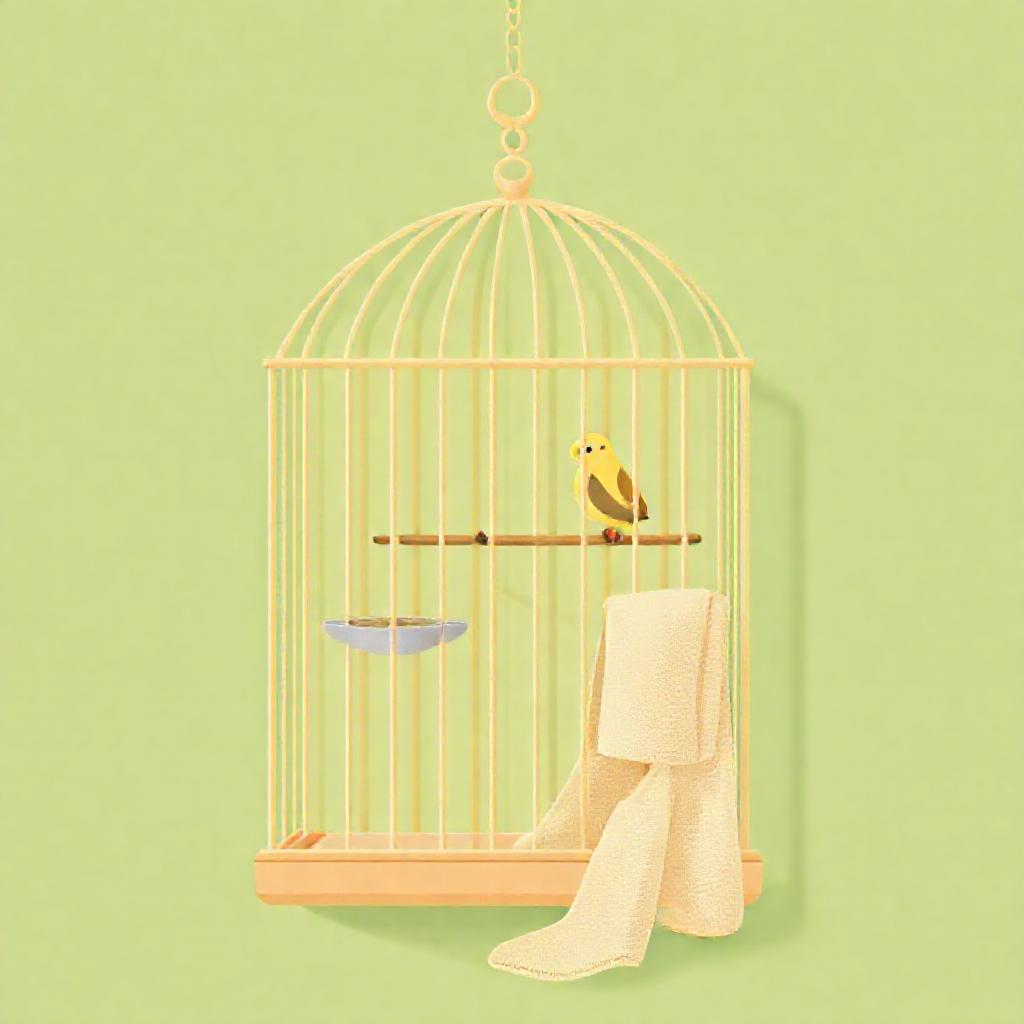
Why birds hide illness
Pet birds are hard-wired to hide signs of being unwell. In the wild, showing weakness can make a bird an easy target for a predator - or even other members of its own flock - so birds mask illness as a form of self-preservation. In practice, this means that by the time you notice something is wrong, your bird may already have been unwell for days or even weeks.
Veterinary guidance is clear on this: birds don’t have a “24- or 48-hour flu” the way we imagine catching a bad cold. A bird that genuinely looks sick or has stopped eating is very unlikely to get better on its own. That’s why avian veterinarians stress seeing a vet at the first sign of illness, rather than waiting and watching.
Signs to take seriously
Loss of appetite (anorexia) and lethargy (listlessness and reduced activity) are common signs of illness in pet birds, and are flagged by veterinary sources as symptoms that can point to serious underlying problems. Look out for:
- Not eating or eating much less than usual, including picking at seeds but not finishing food.
Other signs often seen in birds that are unwell include:
- Being quiet, fluffed up and less responsive, perching for long periods and sleeping more than normal.
- Changes in droppings - fewer, more watery, or different in appearance.
- Breathing difficulties or tail-bobbing with each breath.
- Birds sitting low, on the floor of the cage, or unable to hold themselves normally.
Some signs are treated as emergencies by vets, including a bird lying on its side, struggling to breathe, or having seizures. If you see any of these, get help urgently rather than waiting to see if your bird improves.
Watching behaviour
Behaviour changes can also be an early clue. The RSPCA notes that distressed birds may show problem behaviours such as self-plucking (pulling out their own feathers), unusual loud noises, or aggressive biting. Self-plucking is something to take seriously - it can have many causes, from not enough enrichment to a poor diet leading to poor feather condition - and the RSPCA advises contacting a specialist bird vet and, where relevant, a certified animal behaviourist.
Pay attention to what is normal for your individual bird. A bird that goes suddenly quiet, or conversely becomes very noisy, when it wasn’t before, is worth a veterinary call.
Basic care that keeps birds healthy
Good everyday care reduces the chances of illness in the first place:
- Diet matters a lot. The RSPCA recommends a varied diet; for parrots, nutritionally complete pellets plus fresh, washed fruit and vegetables. Be aware that purely seed-based diets can lead to health problems such as obesity, fatty liver syndrome, and vitamin A or calcium deficiency, and that avocado is highly poisonous to parrots. If you’re unsure what to feed your bird, ask your vet.
- Room to live and fly. A cage is not enough for most birds to stay fit. The RSPCA’s guidance is that birds should have space and time to fly freely, with appropriate housing and protection from extremes of temperature.
- Enrichment and company. Birds are social and intelligent; too much time in a cage and too little to do can lead to stress and problem behaviours.
- Regular check-ups. Veterinary sources recommend annual - sometimes semi-annual - preventative health checks, which can catch problems before they cause obvious signs.
The RSPCA currently warns that if you come across any sick or dead bird, you should not touch or handle it. If you have to handle one, wash your hands thoroughly immediately afterwards and keep them away from your face and food. This advice is part of keeping both you and your pets safe.
When to call the vet
The short answer: call earlier rather than later. Birds hide illness so effectively that waiting to “see how they go” can make a bad situation worse. If your bird is eating less, seems lethargic or fluffed up, has a behaviour change like feather-plucking, or shows any emergency sign such as difficulty breathing, contact an avian vet promptly. Only a vet can diagnose what’s wrong.
Sources
- VCA Animal Hospitals - “Anorexia and Lethargy in Birds” (veterinarian-reviewed): https://vcahospitals.com/know-your-pet/anorexia-and-lethargy-in-birds
- RSPCA - “How to Care for your Pet Bird”: https://www.rspca.org.uk/adviceandwelfare/pets/birds
- RSPCA - “Diet: the right food for your bird”: https://www.rspca.org.uk/adviceandwelfare/pets/birds/diet
- RSPCA - “Environment: giving your bird a good place to live”: https://www.rspca.org.uk/adviceandwelfare/pets/birds/environment
- RSPCA - “Understanding your pet bird’s behaviour”: https://www.rspca.org.uk/adviceandwelfare/pets/birds/behaviour
This article is for general information and is not a substitute for professional veterinary advice. If your pet is unwell, contact your vet.