Fish
White Spot in Fish: What It Is & How to Treat It
Heads up: some links below are affiliate links. If you buy through them it costs you nothing extra and helps keep these guides free. We only link to things we would suggest to a friend. Read ourfull disclosure.
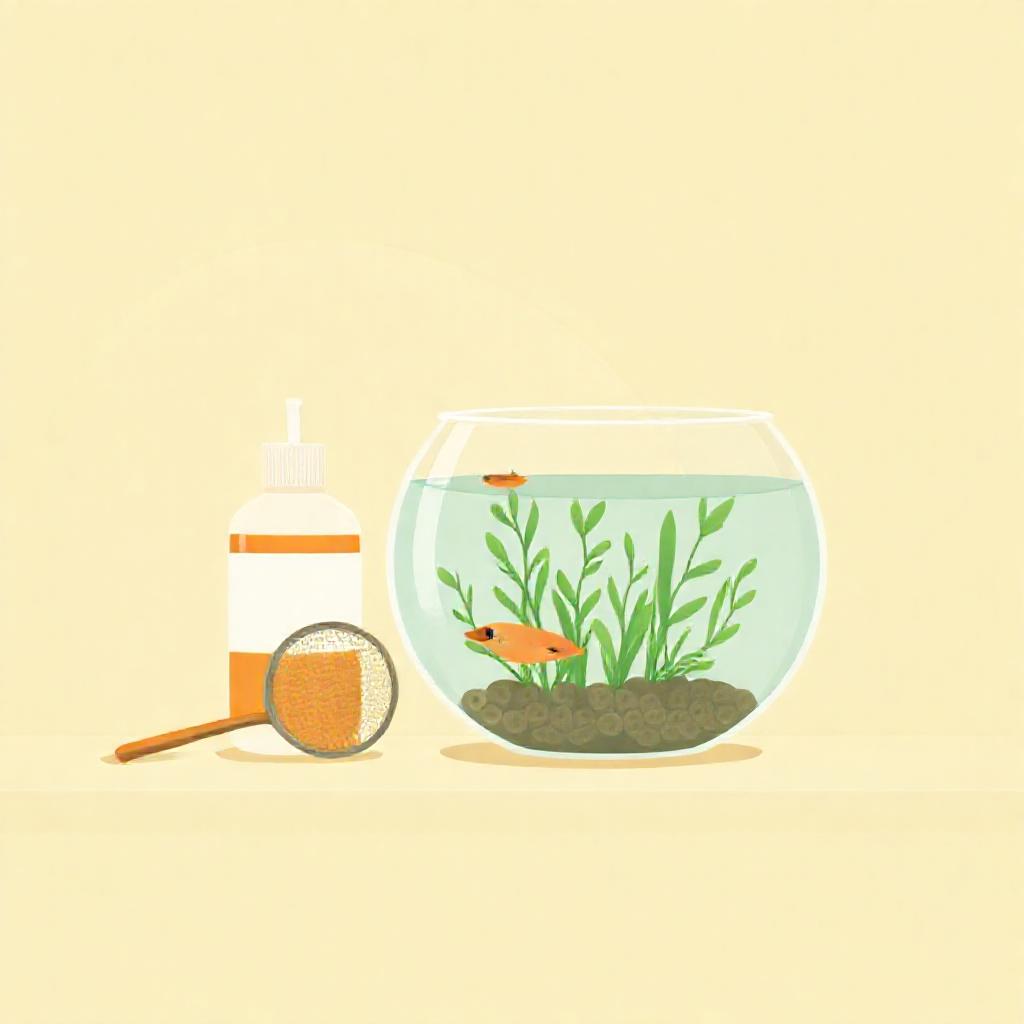
What white spot looks like
White spot disease - the proper name is ichthyophthiriasis (often shortened to “Ich” or “ick”) - is one of the most recognisable conditions in aquarium fish. The RSPCA describes it as a fish disease in which tiny white spots cover the skin, gills and fins, and it lists white spot among the common signs of a poorly fish.
The spots are small, grain-of-salt style dots scattered over the body and fins, and fish may also behave differently - flicking or rubbing against objects, breathing rapidly, or becoming less active.
What actually causes it
White spot is caused by a parasite (known medically as Ichthyophthirius multifiliis) that attaches to the fish’s skin and gills. Crucially, outbreaks don’t happen in a vacuum. The RSPCA is clear that most fish disease is downstream of poor water quality, and white spot tends to flare up when stress or a dirty, unstable environment lowers a fish’s defences - for example after a sudden temperature drop, a new fish joining the tank, or a build-up of ammonia and nitrite from overfeeding and infrequent water changes.
That’s why the first thing to check is never the medicine bottle - it’s the water.
Where treatment advice should come from
There is no single official RSPCA or PDSA page that hands you a specific white-spot medication dose. In fact, the RSPCA deliberately keeps its guidance general and points you towards a specialist fish vet for diagnosing and treating disease, while directing parasite and medication identification to external (commercial) guidance.
So treat any product, treatment schedule, or dosing instruction you read online with scepticism - including remedy names. Aquarium treatments vary by species, tank size, and whether you keep invertebrates (many of which can’t tolerate the same treatments). Getting the wrong one, or the wrong dose, can do more harm than the parasite itself.
Safe first steps while you seek help
While you wait for proper guidance, these are the actions most people agree make sense and can’t hurt your tank:
- Check and improve the water first. Test ammonia and nitrite - both should sit at 0 mg/L - and don’t add untreated tap water (chlorine is harmful). The RSPCA calls ammonia and nitrite testing “essential,” and links most of these conditions to water quality.
- Quarantine where possible. If you have a spare hospital or quarantine tank, moving the affected fish in is a sensible first step: it protects the rest of your occupants and gives a sick fish a calmer place to recover. Never move water, decorations, or nets between tanks without cleaning them, so you don’t spread the parasite.
- Act early rather than waiting. These conditions don’t tend to resolve on their own, and a stressed, weakened fish deteriorates quickly.
- Contact a specialist fish vet (or your usual practice). This is the key step the RSPCA actually names. Let a professional confirm the diagnosis and prescribe the right treatment for your specific tank. A general vet who doesn’t keep fish may not be the best first port of call - a fish specialist usually is.
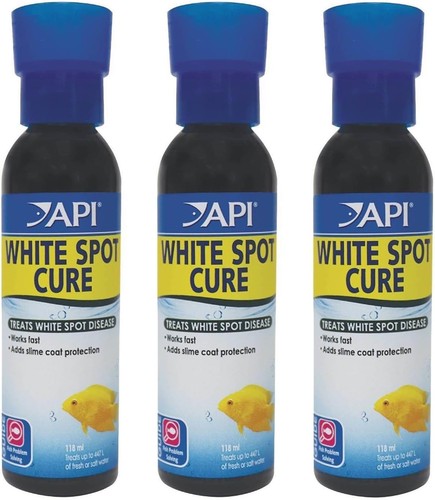
- Don’t guess at medications from forums or pet-shop shelves. Stick to what a qualified professional recommends for your fish and tank.
- Don’t treat fish with human remedies. Medicines made for people are not fish-safe and can kill an aquarium’s inhabitants, especially invertebrates.
- Don’t assume one treatment fits all. Shrimp, snails, and other tank mates often need protected or removed before any treatment.
- Don’t skip the water-quality question. Deal with the underlying water problem as well as the visible spots, or the condition is likely to return.
The bottom line
White spot is a recognisable symptom - tiny white dots on the skin, gills and fins - caused by a parasite that thrives when water quality and stress levels go wrong. Spot it early, quarantine the affected fish if you can, fix the water, and bring in a specialist fish vet for diagnosis and treatment. Never self-medicate, never use human remedies, and treat everything you read about exact doses with caution until a professional confirms it for your tank. This article is general information, not a diagnosis - for a persistent problem, a fish specialist is the right person to talk to.
Sources
- RSPCA - “Pet fish health - signs of healthy and unhealthy fish”: https://www.rspca.org.uk/adviceandwelfare/pets/fish/health
- RSPCA - “Ornamental fish environment - aquariums, filters, water quality and water changes”: https://www.rspca.org.uk/adviceandwelfare/pets/fish/environment
- PDSA - “Birds, fish and other pets” guidance hub: https://www.pdsa.org.uk/pet-help-and-advice/looking-after-your-pet/birds-fish-and-other-pets
This article is for general information and is not a substitute for professional veterinary advice. If your pet is unwell, contact your vet.