Cats
Why Cats Scratch & Spray: Causes and How to Reduce It
Heads up: some links below are affiliate links. If you buy through them it costs you nothing extra and helps keep these guides free. We only link to things we would suggest to a friend. Read ourfull disclosure.
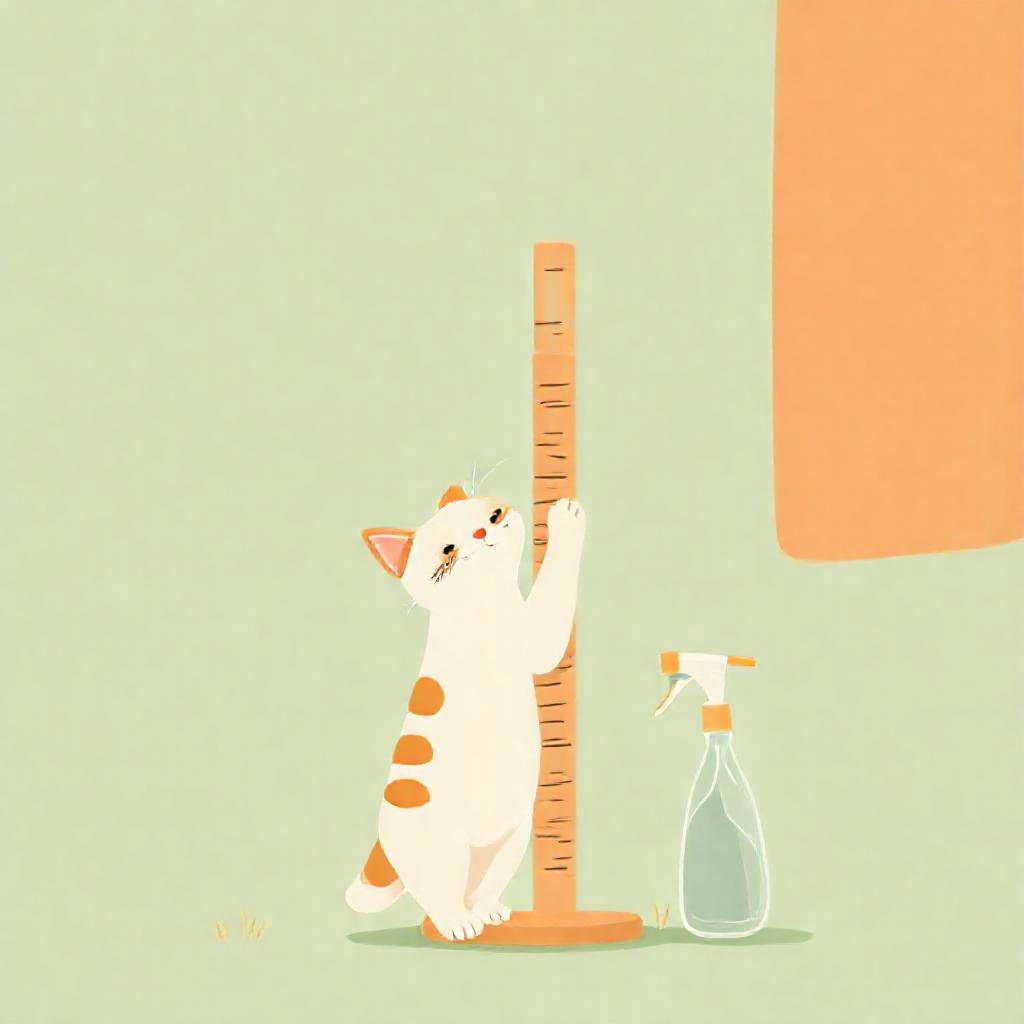
When a cat shreds the sofa or sprays indoors, it’s easy to read it as bad behaviour done on purpose. The experts - PDSA, the RSPCA and Blue Cross - all make the same reassuring point: scratching and spraying are normal, natural cat behaviours. Your cat isn’t being naughty or spiteful. Understanding why they do it is the first step to gently redirecting it, rather than punishing it.
Scratching is normal - not a vendetta against your sofa
Cats scratch for several good reasons, not to destroy your furniture. PDSA explains that scratching keeps claws in good condition, stretches the body and helps cats mark their territory. Blue Cross adds that scratching keeps a cat’s “hunting weapons” sharp, and that secretions from between the paw pads leave a scent mark as well as a physical one. Blue Cross notes cats naturally scratch on trees and posts outdoors, and the RSPCA adds that scratching also strengthens muscles and sharpens claws.
So the goal isn’t to stop scratching, because you shouldn’t. PDSA is clear: cats need to scratch something and you should never try to stop them from doing this. The task is redirecting that behaviour onto something appropriate instead.
How to encourage scratching in the right place
- Give proper posts. PDSA advises providing a few sturdy scratching posts around the house, and says they must be stable and tall enough for your cat to exercise at full body stretch - replace worn-out posts and try a variety of scratchers to keep interest.
- Make the post the tempting option. Place a post in front of the spot your cat keeps choosing, or mark it with a pheromone scent to encourage use. Blue Cross suggests sprinkling catnip on the post or attaching a toy to the top. If you catch your cat scratching elsewhere, carry them to the post and encourage them there instead of giving attention to the unwanted scratching.
- Watch for stress. PDSA notes a cat may suddenly start scratching furniture if they’re anxious or stressed - new furniture smells strange, and a cat may want to leave its scent on it. RSPCA recommends scratching posts tall enough for a full stretch, especially for indoor cats.

Why cats spray, and what it means
Spraying is a different behaviour from urinating. RSPCA explains that cats use urine as a scent signal or “mark” to communicate with other cats in their territory. “Entire” (unneutered) male cats are particularly active - using it to communicate with rival males and potential mates - but both males and females have the ability to spray. Blue Cross agrees, and notes spraying is distinct from a toileting accident or urinating.
Distinguishing the two matters. RSPCA describes spraying as a cat standing up, treading with its hind legs, with tail upright and quivering - cats commonly spray near doors or windows. Blue Cross advises that if you find urine or faeces elsewhere in the house, that’s normally a sign something is wrong, and the cause can be stress or a health condition.
What to do about spraying
- Rule out medical reasons first. Both Blue Cross and PDSA recommend seeing your vet if your cat starts weeing in the house - a vet can check for health conditions that might be causing it.
- Neutering can help. PDSA and RSPCA note that unneutered males are the particularly likely to spray, and that neutering is one of the easiest ways to reduce or prevent indoor spraying, with extra benefits like preventing unwanted litters.
- Reduce stress. RSPCA lists causes of stress-linked spraying including building work, threats from neighbouring cats, or a new cat in the household. Strong-scented products used to clean the mark can actually encourage more marking.
- Never punish. RSPCA warns that a strong reaction to spraying increases a cat’s fear and anxiety, making it more likely to happen again. Blue Cross makes the same point about scratching - cats don’t do it out of spite.
The bottom line
Scratching and spraying are part of being a cat. Treat them as signals worth understanding rather than misbehaviour to correct. Redirect scratching onto a good, tall post, discuss spraying with your vet, and keep things low-stress - and you’ll usually see a calmer cat and a cleaner home.
Sources
- PDSA - “How to stop my cat scratching”: https://www.pdsa.org.uk/pet-help-and-advice/looking-after-your-pet/kittens-cats/how-to-stop-my-cat-scratching
- PDSA - “Vet Q&A: How can I stop my cat spraying indoors?”: https://www.pdsa.org.uk/what-we-do/blog/vet-qa-how-can-i-stop-my-cat-spraying-indoors
- RSPCA - “Understanding your cat’s behaviour”: https://www.rspca.org.uk/adviceandwelfare/pets/cats/behaviour
- Blue Cross - “How to stop cats scratching or clawing in the house”: https://www.bluecross.org.uk/advice/cat/behaviour-and-training/how-to-stop-cats-scratching-or-clawing-in-the-house
- Blue Cross - “Stop your cat spraying or soiling in the house”: https://www.bluecross.org.uk/advice/cat/behaviour-and-training/stop-your-cat-spraying-and-soiling-in-the-house
This article is for general information and is not a substitute for professional veterinary advice. If your pet is unwell, please contact your vet.